Hollywood has been the global epicenter of cinema for over a century, producing icons whose influence transcends borders and generations. From the method-acting pioneers of the Golden Age to the high-octane superstars of the modern era, these actors have defined what it means to be a leading man.
This article analyzes Hollywood's top 10 male actors of all time, evaluated based on their worldwide popularity, net worth, blockbuster success, and cultural impact across different cinematic eras.
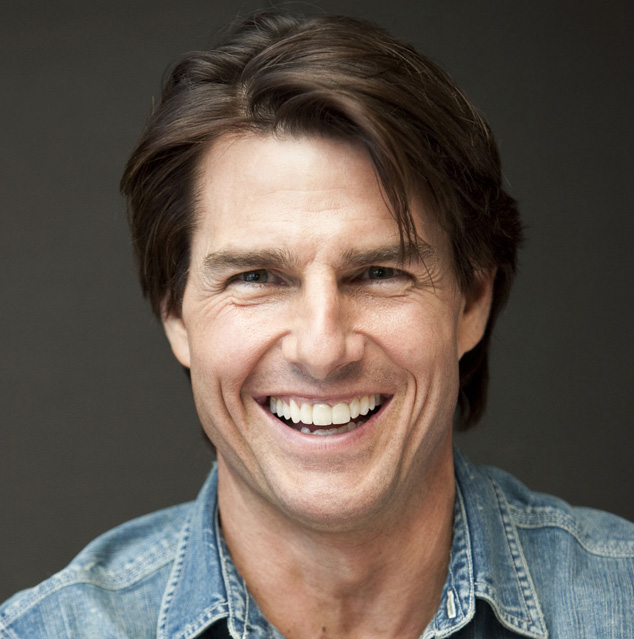
1. Tom Cruise: The Last True Movie Star
Tom Cruise is often cited as the last remaining "movie star" in the traditional sense—an actor whose name alone can guarantee a global blockbuster.
Worldwide Popularity
Unmatched in the modern era. Cruise is a massive draw in every corner of the globe, particularly in Asia and Europe, where his commitment to performing his own stunts has become legendary.
Financial Standing
With a net worth of approximately $600 million, Cruise is one of the highest-paid actors in history, often taking significant backend percentages on his massive hits.
Blockbuster Record
The Mission: Impossible franchise and the historic success of Top Gun: Maverick (which grossed over $1.4 billion) cement his status as a box office titan.
Public Impact
Cruise defined the modern action hero. His transition from the 1980s "golden boy" to the tireless action veteran reflects Hollywood's shift toward high-concept, stunt-driven spectacles.
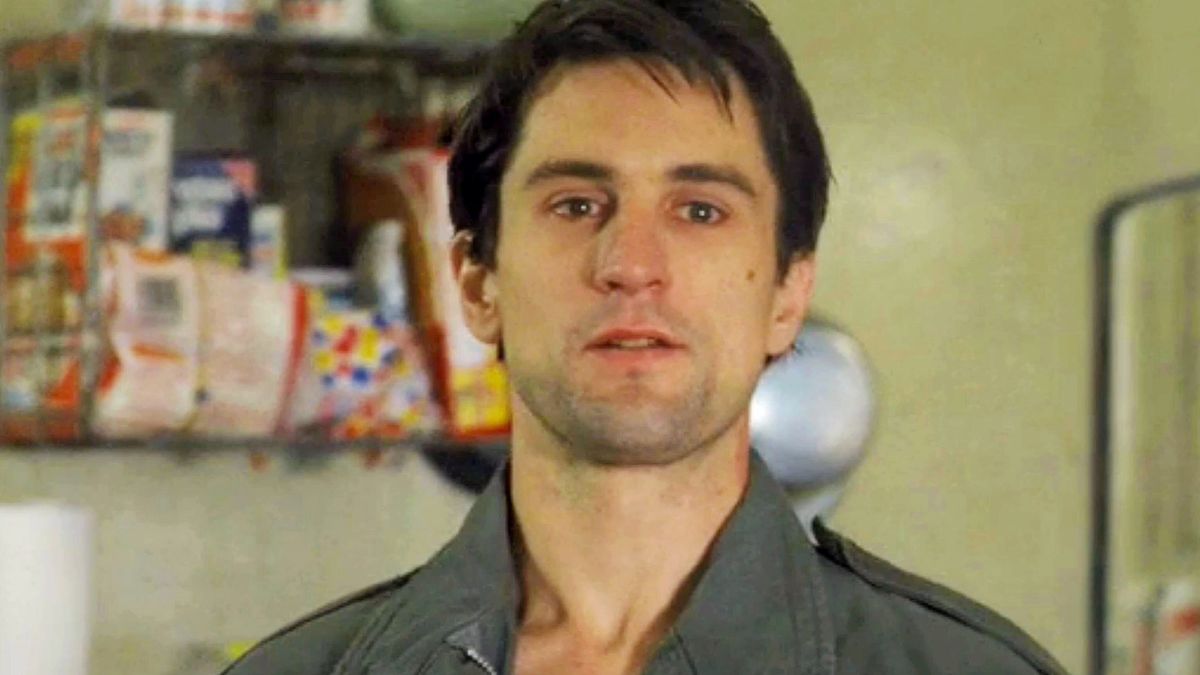
2. Robert De Niro: The Master of Method
Robert De Niro is widely considered one of the greatest actors to ever grace the screen, known for his intense preparation and transformative performances.
Legacy and Popularity
Immense respect from peers and audiences alike. His collaborations with Martin Scorsese produced some of the most iconic films in history, including Taxi Driver and Raging Bull.
Blockbuster Reach
While often associated with prestige drama, his films have grossed billions. The Godfather Part II remains a benchmark for cinematic excellence.
Public Impact
De Niro brought a new level of grit and realism to Hollywood in the 1970s. He became the face of the "New Hollywood" movement, moving away from polished archetypes toward complex, often flawed characters.
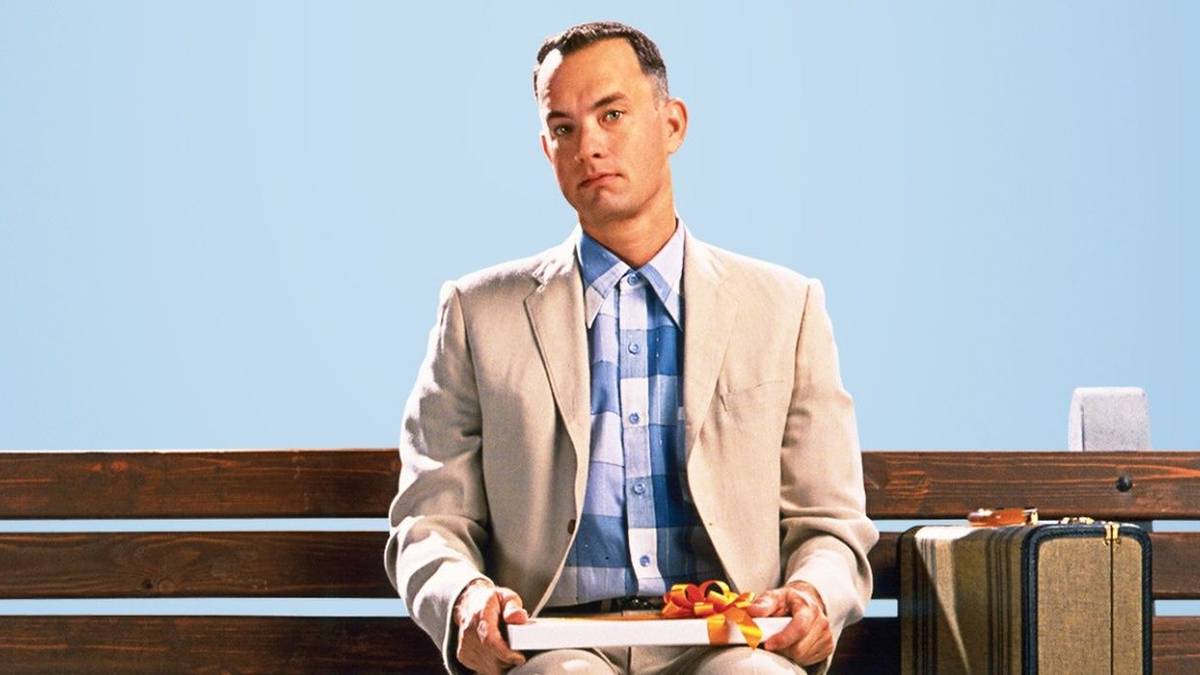
3. Tom Hanks: America's Everyman
Tom Hanks is often called "America's Dad," a testament to his universal appeal and the sense of moral integrity he brings to his roles.
Box Office Dominance
Hanks was the first actor in the modern era to have a string of consecutive $100 million+ hits. His films like Forrest Gump, Saving Private Ryan, and Toy Story are global cultural staples.
Net Worth
Estimated at $400 million, reflecting a career of consistent high-level success.
Public Impact
Hanks represents the reliable, honest hero. In an era of cynicism, his performances often provide a sense of hope and human connection that resonates globally.
4. Leonardo DiCaprio: The Prestige Superstar
Leonardo DiCaprio has achieved the rare feat of maintaining massive commercial appeal while consistently choosing high-quality, challenging projects.
Global Crossover
Ever since Titanic, DiCaprio has been a global heartthrob and a respected artist. He is one of the few actors whose presence can greenlight a big-budget original film.
Breaking Records
From the record-breaking success of Titanic to the mind-bending Inception, his films have collectively grossed over $7 billion worldwide.
Public Impact
DiCaprio has used his platform to become a leading voice in environmental activism, blending his cinematic stardom with a commitment to global issues.
5. Brad Pitt: The Icon of Cool
Brad Pitt is the quintessential Hollywood star—blending undeniable charisma with a surprising range as a character actor.
Versatility
From the cult classic Fight Club to the heist fun of Ocean's Eleven, Pitt has shown an ability to lead both indie-spirited projects and massive franchises.
Financial Standing
With a net worth of $400 million, Pitt is also a highly successful producer through his company, Plan B Entertainment, which has produced multiple Oscar-winning films.
Public Impact
Pitt remains a global symbol of "cool." His evolution from a 90s heartthrob to a seasoned, Oscar-winning veteran reflects the longevity required to stay at the top of Hollywood.
6. Harrison Ford: The Franchise King
Harrison Ford is the face of two of the most successful franchises in history: Star Wars and Indiana Jones.
Cultural Reach
Ford defined the "reluctant hero"—the man who doesn't want to be there but does the right thing anyway. His Han Solo and Indiana Jones are among the most recognizable characters in human history.
Box Office Impact
His films have grossed over $9 billion worldwide, making him one of the highest-grossing actors of all time.
7. Denzel Washington: The Powerhouse
Denzel Washington is widely regarded as the premier actor of his generation, possessing a screen presence that is both commanding and deeply human.
Impact on Craft
With two Academy Awards and a career of powerful performances in films like Training Day and Malcolm X, Washington has set the standard for intensity and gravitas.
Public Impact
He has broken barriers for Black actors in Hollywood, proving that a serious, character-driven actor can also be a massive box office draw.
8. Morgan Freeman: The Voice of Authority
Morgan Freeman is known for his calm demeanor and a voice that has become a cultural shorthand for wisdom and authority.
Iconic Roles
His performance in The Shawshank Redemption is one of the most beloved in cinema history. He has brought a sense of dignity to every role, from Driving Miss Daisy to the Dark Knight trilogy.
Public Impact
Freeman's longevity and the respect he commands have made him a global icon, often serving as the moral compass in the stories he tells.
9. Al Pacino: The Explosive Talent
Al Pacino redefined screen intensity. His performance as Michael Corleone in The Godfather is often cited as the greatest in film history.
Career Longevity
From the 1970s classics to his 1990s roar in Scent of a Woman, Pacino has remained a vital force in Hollywood for over 50 years.
Public Impact
Pacino brought a theatrical, high-energy style to film that influenced a generation of actors. He remains the quintessential symbol of Italian-American cinematic excellence.
10. Jack Nicholson: The Ultimate Rebel
Jack Nicholson is the most nominated male actor in Oscar history, known for his "wild man" energy and rebellious spirit.
Iconic Performances
From the counter-culture Easy Rider to the terrifying The Shining, Nicholson has always played by his own rules, both on and off-screen.
Public Impact
Nicholson represents the anti-establishment streak in Hollywood. His career reflects the shift from the structured studio system to the actor-driven "New Hollywood" of the 70s.
Detailed Era Breakdown
If you prefer a more narrative flow for your blog post, use this structured list format:
1. 1940s - 1950s: The Golden Age & Noir
The Icons: Humphrey Bogart, Cary Grant
The Vibe: A blend of post-WWII optimism and undercurrents of Cold War anxiety.
The Landscape: This was the peak of the Studio System, where stars were literally "owned" by studios, reflecting a highly structured and industrial economic model.
2. 1960s - 1970s: New Hollywood & Realism
The Icons: Robert De Niro, Al Pacino
The Vibe: Social revolution, anti-establishment sentiment, and disillusionment.
The Landscape: As the old studio system crumbled, cinema shifted toward gritty, character-driven stories that mirrored the political unrest of the era.
3. 1980s - 1990s: The Blockbuster Era
The Icons: Tom Cruise, Tom Hanks, Harrison Ford
The Vibe: Corporate growth, "High Concept" simplicity, and unashamed escapism.
The Landscape: Riding the wave of an economic boom, Hollywood went global. This era birthed the "Global Star" whose name alone could guarantee a $100M opening weekend.
4. 2000s - Present: The Franchise & Prestige Era
The Icons: Leonardo DiCaprio, Brad Pitt, Denzel Washington
The Vibe: Intellectual Property (IP) as the hero; the rise of the "Event" film.
The Landscape: In the age of digital streaming and superhero dominance, the individual star's power has shifted. While icons remain, the "brand" (Marvel, DC, Netflix) often shares top billing with the actor.
The Inflation Factor: Then vs. Now
When comparing the success of Hollywood legends, adjusting for inflation is essential. While modern stars like Tom Cruise see massive dollar amounts, the cultural saturation of stars like Harrison Ford in the 70s and 80s was monumental. Star Wars (1977) remains one of the highest-grossing films ever when adjusted for inflation, selling far more tickets than most modern superhero movies.
In times of recession or global crisis, Hollywood has always relied on these "larger-than-life" figures to provide a sense of escape and shared experience, a trend that continues even in the age of streaming.
Free Download
Get The 2026 Tech Career Roadmap
A free PDF guide — the skills, salaries, and strategies to level up your tech career in 2026.
Drop your email and we'll send it straight to your inbox.