Biographies
Explore the lives of influential people that changed the world.
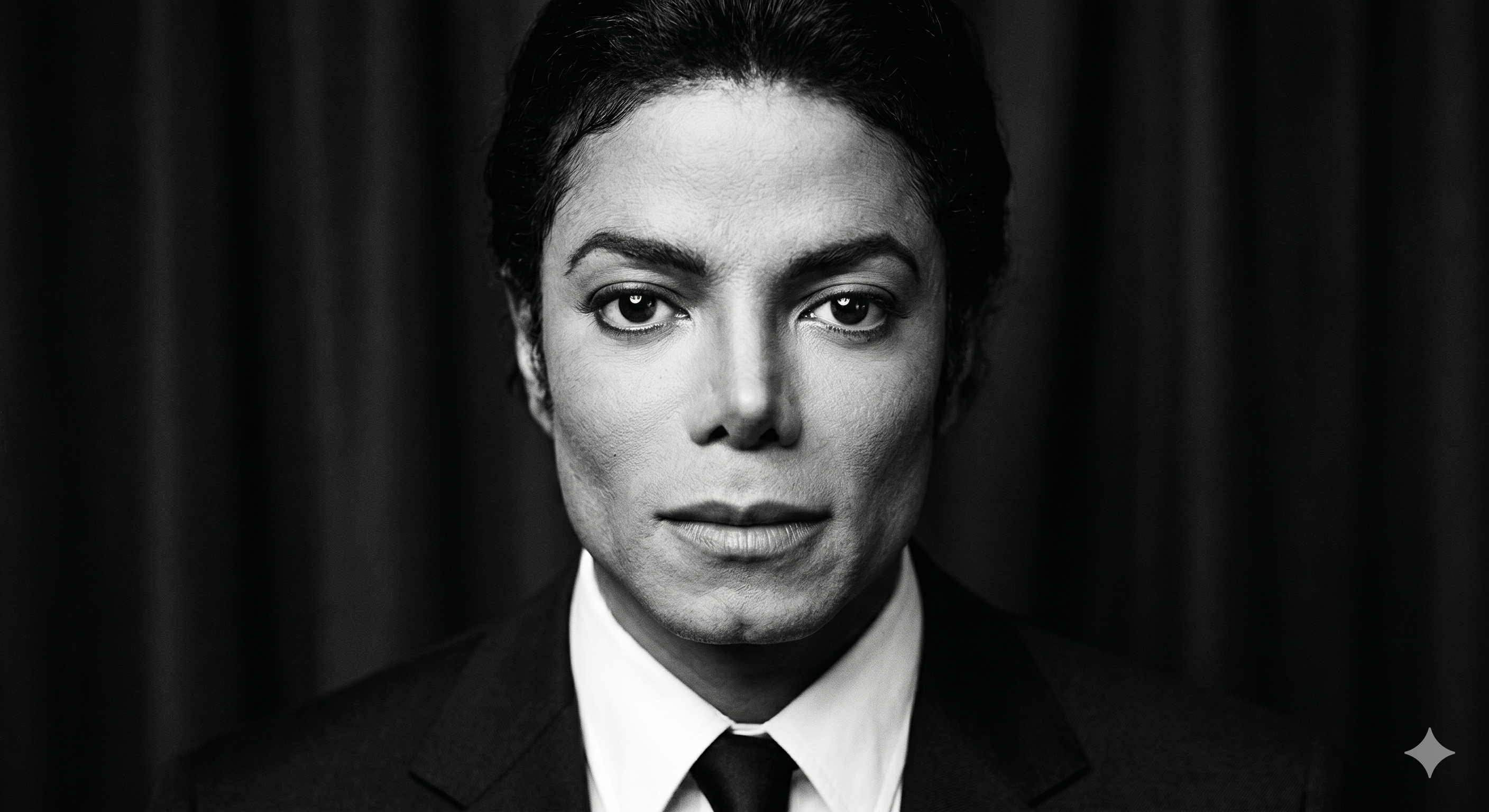
Michael Jackson Biography: The King of Pop Who Changed Music Forever
M.T. Danikkar
Apr 22, 2026
Michael Jackson Biography: The King of Pop Who Changed Music Forever
Introduction Michael Jackson was one of the most influential entertainers in history. Known worldwide as the King of Pop, he transformed music, dance, fashion, and celebrity culture. From child star to global icon, Jackson became a symbol of artistic perfection, innovation, and worldwide fame. Quick Facts - Full Name: Michael Joseph Jackson - Born: August 29, 1958 (Gary, Indiana, USA) - Died: June 25, 2009 (Los Angeles, California, USA) - Family: Parents Joe and Katherine Jackson; Children Prince, Paris, Blanket - Nationality: American - Field of Influence: Music, Dance, Fashion, Philanthropy - Occupation: Singer, Songwriter, Dancer, Producer - Known For: Thriller, Billie Jean, Moonwalk, King of Pop - Golden Era: 1982–1991 - Net Worth: Estate generated billions after death - Primary Inspiration: James Brown, Fred Astaire, Jackie Wilson - Famous Quote: "If you wanna make the world a better place, take a look at yourself and then make a change." Early Life Michael Jackson was born in Gary, Indiana, as the eighth of ten children. He entered show business at an extremely young age as lead singer of The Jackson 5. His childhood was shaped by discipline, pressure, and intense rehearsals under his father, Joe Jackson. Education Because of nonstop touring and recording success, Michael received private tutoring rather than a normal school life. Career Beginning Jackson rose to fame in 1969 with The Jackson 5 through hits like: - I Want You Back - ABC - I'll Be There He later launched a solo career and became a breakout star with Off the Wall (1979). Rise to Greatness Everything changed in the 1980s. Turning Point During the Motown 25 television special in 1983, Jackson performed Billie Jean and introduced the Moonwalk. The performance became legendary and changed pop culture forever. Major Achievements 1. Thriller Released in 1982, Thriller remains one of the best-selling albums in history. 2. Music Video Revolution Turned videos into cinematic global events. 3. Genre Breaker Blended pop, rock, R&B, funk, and dance music. 4. Global Fame Became one of the first truly worldwide music superstars. 5. Massive Awards Won Grammys, American Music Awards, and global honors. Biggest Struggles - Extreme media scrutiny - Public obsession with appearance changes - Health challenges including vitiligo and lupus - Financial pressures - Personal isolation from fame Habits and Personality - Perfectionist in studio work - Soft-spoken and shy in private - Tireless rehearsals - Deeply creative visual thinker - Detail-obsessed performer Fun Facts - Owned a chimpanzee named Bubbles - Built Neverland Ranch - Inducted twice into Rock and Roll Hall of Fame - Famous for signature glove and style Controversies Michael Jackson’s life included major controversies, especially abuse allegations which he denied. He was acquitted in the 2005 criminal trial. His changing appearance and private lifestyle also attracted constant media speculation. Legacy Michael Jackson became the blueprint for modern pop stardom. His influence can be seen in generations of artists including: - Usher - Justin Timberlake - Bruno Mars - The Weeknd - Beyoncé How the World Changed Because of Michael Jackson 1. Pop Music Became Global He turned music into worldwide mass culture. 2. MTV Changed His success helped break racial barriers in mainstream media. 3. Dance Standards Rose Performance choreography became essential. 4. Music Marketing Evolved Albums became multimedia global events. Life Lessons From Michael Jackson 1. Greatness Requires Obsession Elite results demand elite focus. 2. Talent Must Keep Evolving He constantly reinvented sound and style. 3. Fame Has Costs Success can create heavy personal pressure. 4. Art Crosses Borders Music can unite people worldwide. Final Verdict Michael Jackson was more than a singer—he was a cultural earthquake. His voice, movement, and creativity changed entertainment forever. Decades later, the world still moves to the rhythm he created.
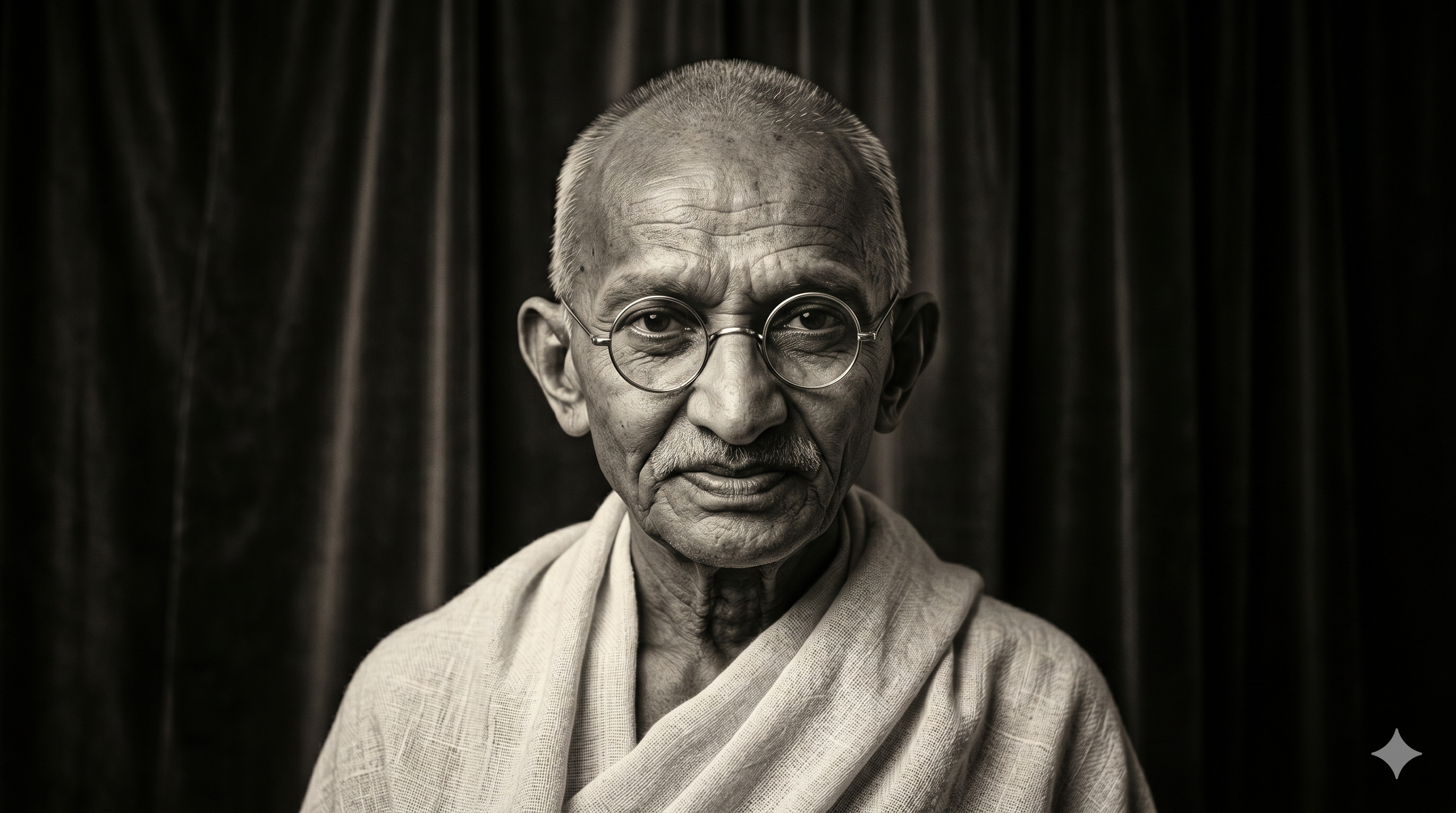
Mahatma Gandhi Biography: How Non-Violence Changed India and the World
M.T. Danikkar
Apr 20, 2026
Mahatma Gandhi Biography: How Non-Violence Changed India and the World
Introduction Mahatma Gandhi was one of the most influential leaders in modern history. Through the power of truth, discipline, and non-violence, he led India’s freedom struggle against British rule and inspired civil rights movements across the world. His life proved that moral courage can defeat political power. Quick Facts - Full Name: Mohandas Karamchand Gandhi - Born: October 2, 1869 (Porbandar, British India) - Died: January 30, 1948 (New Delhi, India) - Family: Wife Kasturba Gandhi; Sons Harilal, Manilal, Ramdas, Devdas - Nationality: Indian - Field of Influence: Civil Rights, Politics, Ethics, Anti-Colonialism - Occupation: Lawyer, Freedom Fighter, Social Reformer - Known For: Salt March, Quit India Movement, Non-Violent Resistance - Golden Era: 1915–1948 - Net Worth: Not Applicable (Lived in simplicity) - Primary Inspiration: Bhagavad Gita, Jainism, Leo Tolstoy, Henry David Thoreau - Famous Quote: "Be the change that you wish to see in the world." Early Life Gandhi was born in Porbandar, Gujarat, into a middle-class family. He was a shy child and average student, but his mother’s spiritual discipline deeply influenced him. Her values of truth, vegetarianism, fasting, and tolerance shaped Gandhi’s future character. He married Kasturba Gandhi at the age of 13, as was common in that era. Education Gandhi studied law in London at the Inner Temple and qualified as a barrister in 1891. His years in England exposed him to new philosophies, Western thinkers, and legal systems that later influenced his political methods. Career Beginning In 1893, Gandhi moved to South Africa for legal work. There he faced brutal racial discrimination. The famous incident where he was thrown off a train in Pietermaritzburg became the turning point of his life. That humiliation transformed him from a lawyer into an activist. Rise to Greatness Gandhi developed the philosophy of Satyagraha, meaning truth-force or soul-force. Instead of violence, he believed injustice should be challenged through peaceful resistance, sacrifice, and moral courage. When he returned to India in 1915, he soon became the face of the independence movement. Major Achievements 1. Led India’s Freedom Struggle He mobilized millions of ordinary Indians against British rule. 2. Salt March (1930) He marched 240 miles to protest the British salt tax, creating global headlines. 3. Quit India Movement (1942) Demanded immediate British withdrawal from India. 4. Inspired Global Leaders His methods later inspired Martin Luther King Jr., Nelson Mandela, and many others. Biggest Struggles - Hindu-Muslim divisions - British repression and imprisonment - Internal political disagreements - Violence during Partition of India - Personal sacrifices and fasts for peace Career Peak Gandhi’s most powerful years were between 1915 and 1948, when he became the moral center of India’s freedom movement. Few leaders in history commanded such respect without holding official power. Habits and Personality - Practiced silence on certain days - Spun his own cloth (Khadi) - Lived simply with minimal possessions - Strict vegetarian diet - Deep self-discipline - Humble but fearless personality Fun Facts - Nominated for the Nobel Peace Prize five times - Never held government office - Time Magazine Person of the Year (1930) - Wrote thousands of letters - Walked long distances regularly Controversies Some of Gandhi’s early writings in South Africa have been criticized. Historians also debate aspects of his personal experiments with celibacy and communal life. These discussions continue alongside recognition of his historic achievements. Legacy and Global Impact Gandhi changed the meaning of political power. He showed the world that an empire could be challenged without weapons. His methods became the blueprint for future civil rights and justice movements worldwide. He remains known as the Father of the Nation in India. Life Lessons From Gandhi 1. Discipline Creates Strength Real power starts with self-control. 2. Means Matter How you win is as important as winning. 3. Courage Is Not Violence Standing peacefully against injustice requires immense bravery. 4. Simplicity Can Be Powerful A simple life can create extraordinary influence. Final Verdict Mahatma Gandhi was more than a political leader. He was a symbol of conscience, resilience, and peaceful revolution. His life continues to remind humanity that truth and courage can transform nations.
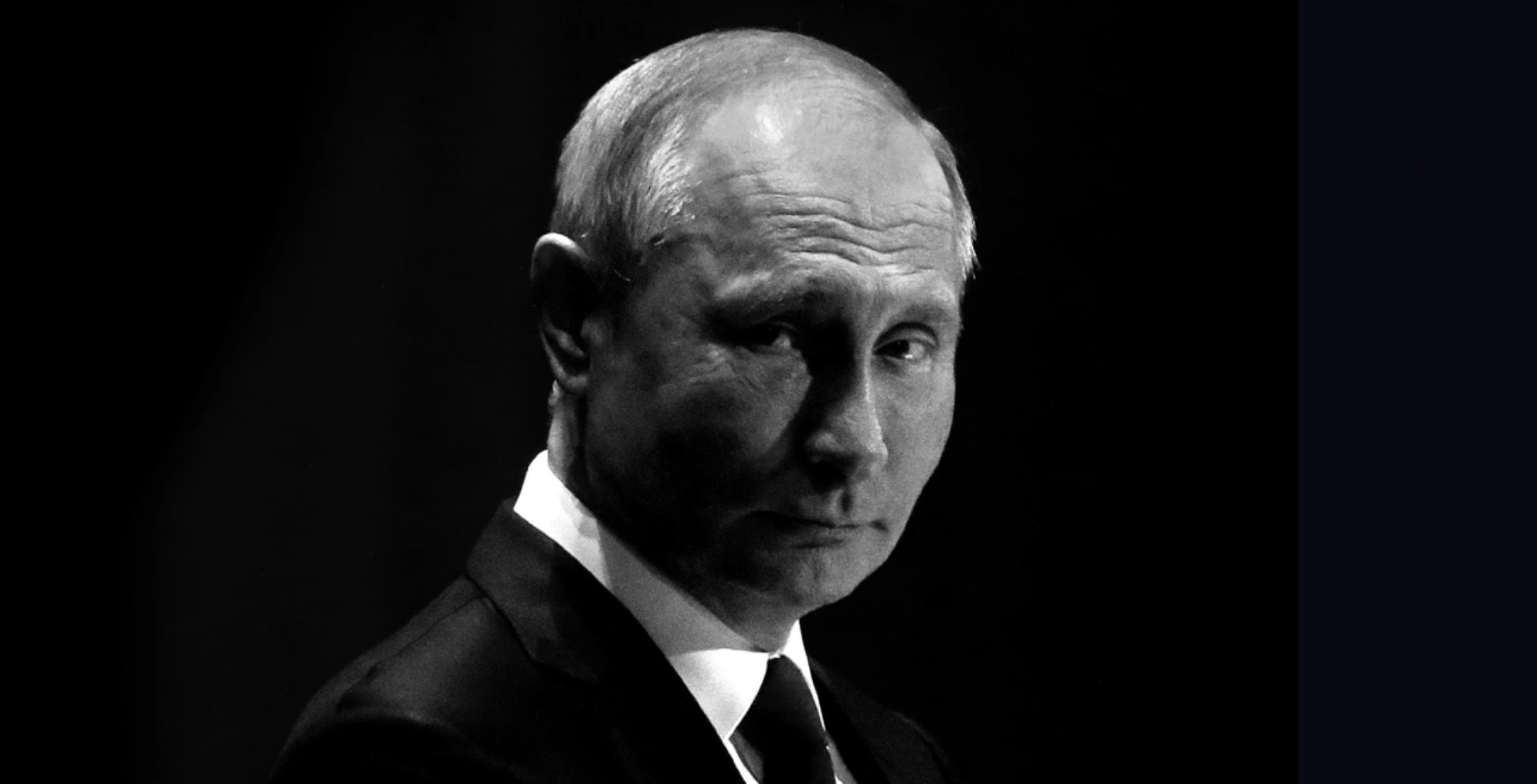
Vladimir Putin Biography: Power, Russia, and the Return of Great-Power Politics
M.T. Danikkar
Apr 19, 2026
Vladimir Putin Biography: Power, Russia, and the Return of Great-Power Politics
Introduction Vladimir Putin is one of the most influential and controversial political leaders of the 21st century. As Russia’s dominant leader for decades, he reshaped the country’s political system, strengthened central authority, and reasserted Russia as a major global power. His rule has deeply affected world politics, European security, and international relations. Quick Facts - Full Name: Vladimir Vladimirovich Putin - Born: October 7, 1952 (Leningrad, Soviet Union) - Died: N/A (Alive) - Family: Ex-wife Lyudmila Shkrebneva; Daughters Maria Vorontsova and Katerina Tikhonova - Nationality: Russian - Field of Influence: Politics, Security, Geopolitics - Occupation: President of Russia, Former Prime Minister, Former Intelligence Officer - Known For: Long-term leadership of Russia, centralized power, Ukraine war - Golden Era: 2000–Present - Net Worth: Publicly unclear and widely disputed - Primary Inspiration: Russian state power, historical leadership models - Famous Quote: "The collapse of the Soviet Union was a major geopolitical disaster of the century." Early Life Putin was raised in a communal apartment in post-war Leningrad. His early years were shaped by the hardships left by World War II. He became involved in judo and sambo, disciplines that remained central to his image and personal philosophy. Education He studied law at Leningrad State University, graduating in 1975. Soon after, he entered the KGB, the Soviet intelligence service. Career Beginning Putin served as a KGB officer for many years, including time in Dresden, East Germany. After the Soviet Union collapsed, he moved into politics in Saint Petersburg under reformist mayor Anatoly Sobchak. Rise to Power Putin’s national rise accelerated in the late 1990s. Turning Point Following unrest, war in Chechnya, and Boris Yeltsin’s resignation, Putin became Acting President in 1999 and was elected president in 2000. He quickly projected a strongman image. Major Achievements 1. Centralized State Authority Reduced regional fragmentation and strengthened the federal government. 2. Economic Stabilization Russia saw significant growth in the early 2000s, supported by high energy prices. 3. Military Modernization Rebuilt military capacity and strategic influence. 4. Global Relevance Repositioned Russia as a major player in world affairs. Biggest Struggles - Western sanctions - Economic volatility tied to energy prices - Domestic protests - Demographic and governance challenges - International isolation after major conflicts Habits and Personality - Disciplined and reserved - Highly strategic - Security-focused mindset - Careful communicator - Values control and loyalty - Maintains strongman public image Fun Facts - Black belt in judo - Co-authored books on martial arts - Known for staged adventure-style public appearances - Very private regarding personal life Controversies Putin’s tenure has been heavily criticized over: - Limits on political opposition - Media restrictions - Alleged electoral manipulation - Poisoning or deaths of critics - 2022 invasion of Ukraine - ICC arrest warrant related to war crimes allegations Legacy Putin’s legacy is still unfolding. Supporters credit him with restoring Russian strength and stability. Critics argue he weakened democratic institutions and increased confrontation with the West. How the World Changed Because of Putin 1. Great-Power Rivalry Returned Global politics moved away from post-Cold War optimism. 2. Europe’s Security Order Shifted Defense policy and alliances changed significantly. 3. New Global Blocs Emerged Russia moved closer to China, Iran, and others. 4. Energy Politics Intensified Global markets were affected by geopolitical conflict. Life Lessons From His Era 1. Power Concentrates Fast Institutions matter when authority centralizes. 2. History Shapes Politics Past grievances influence present policy. 3. Geopolitics Has Real Costs Wars and sanctions affect millions of civilians. 4. Leadership Can Redefine Nations Long rule leaves deep structural impact. Final Verdict Vladimir Putin remains one of the defining leaders of the modern age. Whether viewed as strategist or authoritarian ruler, his decisions reshaped Russia and changed the global balance of power.
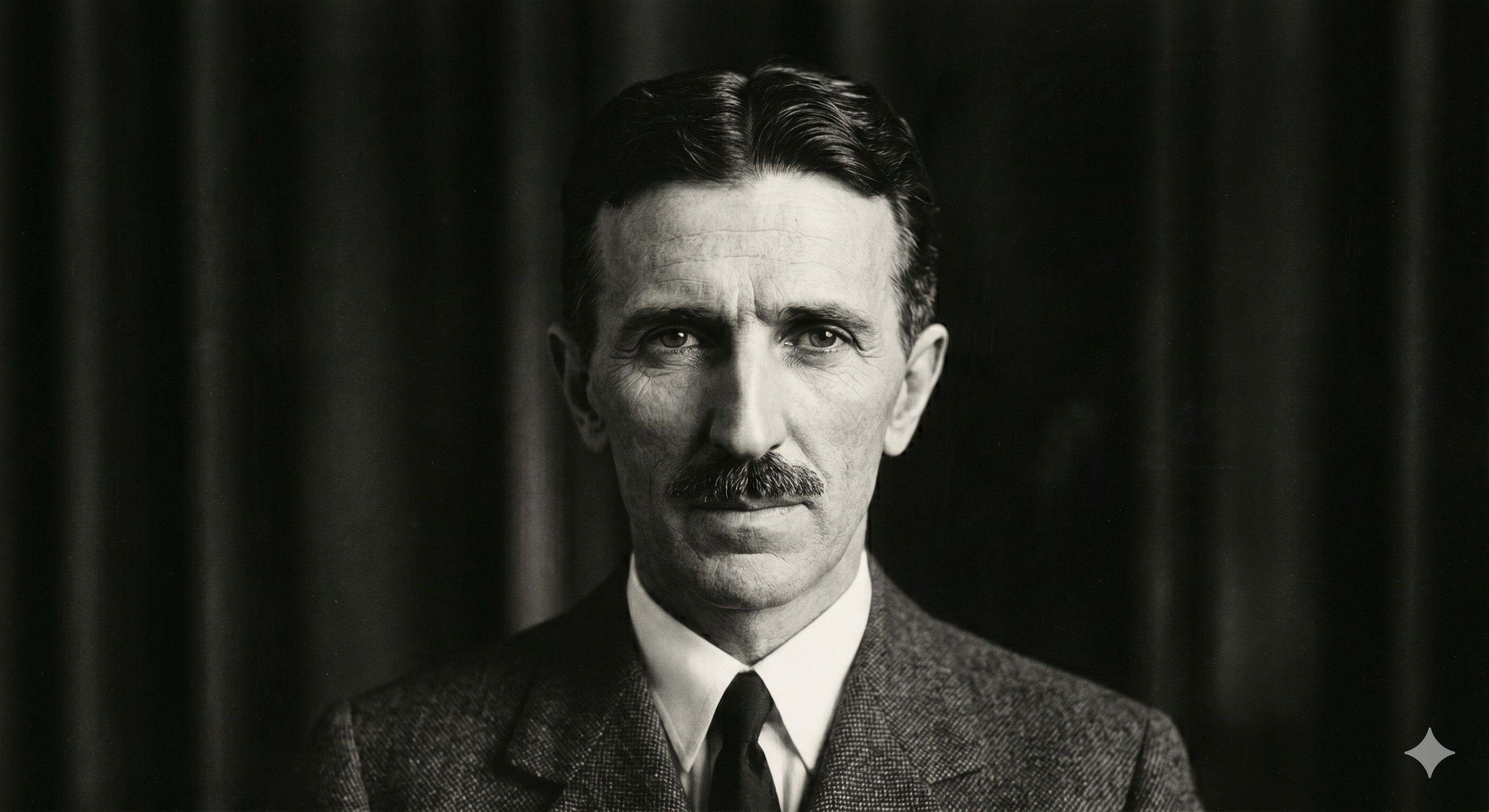
Nikola Tesla Biography: The Genius Who Powered the Modern World
M.T. Danikkar
Apr 18, 2026
Nikola Tesla Biography: The Genius Who Powered the Modern World
Introduction Nikola Tesla was one of history’s greatest inventors and visionaries. His work in Alternating Current (AC) electricity, wireless technology, and futuristic engineering laid the foundation for the modern world. Though he died poor and overlooked, his ideas now power nearly every city on Earth. Quick Facts - Full Name: Nikola Tesla - Born: July 10, 1856 (Smiljan, Austrian Empire) - Died: January 7, 1943 (New York City, USA) - Family: Parents Milutin Tesla and Duka Mandić; four siblings - Nationality: Serbian-American - Field of Influence: Electrical Engineering, Physics, Futurism - Occupation: Inventor, Engineer, Scientist - Known For: AC Motor, Tesla Coil, Wireless Power Concepts - Golden Era: 1880s–1900s - Net Worth: Died in debt - Primary Inspiration: Nature, Mathematics, His Mother, Faraday - Famous Quote: "The present is theirs; the future, for which I really worked, is mine." Early Life Tesla was born during a lightning storm, a detail that later became symbolic of his future. He showed extraordinary intelligence from childhood, with a photographic memory and the ability to mentally design machines before building them. The death of his brother Dane deeply affected him and shaped his emotional life. Education He studied at the Austrian Polytechnic in Graz and later attended Charles University in Prague. Although he never completed a formal degree, his self-education and obsession with science surpassed many trained engineers. Career Beginning Tesla first worked for the Continental Edison Company in Paris. In 1884, he moved to New York and briefly worked for Thomas Edison. Their different visions of electricity soon led to one of history’s most famous technology rivalries. Rise to Greatness Tesla believed Alternating Current (AC) was superior to Edison’s Direct Current (DC). Turning Point At the 1893 Chicago World’s Fair, Tesla’s AC system powered the event brilliantly, proving AC was safer, cheaper, and scalable. This victory helped electrify the world. Major Achievements 1. AC Induction Motor Still used in factories and appliances worldwide. 2. Tesla Coil A breakthrough in high-voltage electricity and wireless experiments. 3. Radio Technology Contributed core ideas later recognized in radio transmission. 4. Wardenclyffe Tower Attempted global wireless communication and power transmission. 5. Hydroelectric Power Helped develop Niagara Falls power generation systems. Biggest Struggles - Poor business decisions - Lost control of patents - Financial hardship - Lack of investors - Public skepticism of futuristic ideas Despite genius-level inventions, Tesla struggled commercially. Habits and Personality - Slept very little - Highly disciplined thinker - Obsessive about cleanliness - Fascinated with the number three - Elegant dresser and speaker - Preferred solitude Fun Facts - Could memorize entire books - Claimed to visualize inventions fully in his mind - Loved pigeons deeply in later years - Walked long distances daily - Worked for days without rest during experiments Rivalry With Edison Tesla’s conflict with Edison became known as the War of Currents: - Edison promoted DC electricity - Tesla promoted AC electricity History proved Tesla’s system superior for mass power distribution. Legacy Tesla is now seen as the architect of modern electricity. His ideas influenced: - Power grids - Motors - Radio - Radar - Television - Wireless systems - Robotics concepts How the World Changed Because of Tesla Without Tesla: - Cities would electrify slower - Long-distance power grids may not exist - Modern motors would be weaker - Wireless communication would evolve later His inventions accelerated modern civilization. Life Lessons From Tesla 1. Genius Needs Persistence Ideas alone are not enough. 2. Think Beyond Your Era Tesla imagined the future decades early. 3. Innovation Can Be Lonely Great thinkers are often misunderstood first. 4. Vision Outlasts Wealth He died poor, but changed the world forever. Final Verdict Nikola Tesla was not just an inventor—he was a man decades ahead of his time. While others chased money, Tesla chased the future. Today, the world lives inside the future he imagined.
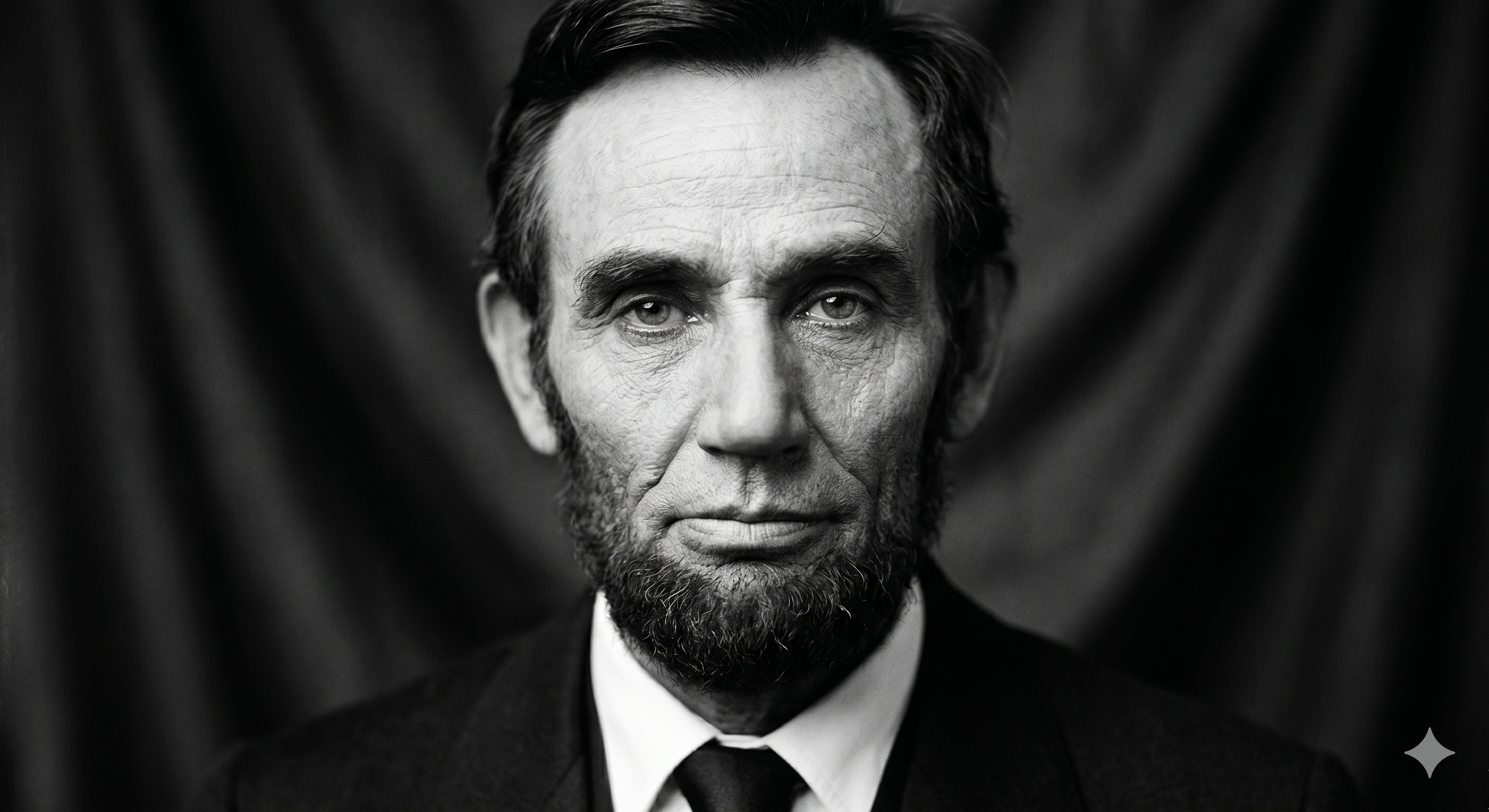
Abraham Lincoln Biography: The President Who Saved a Nation and Changed History
M.T. Danikkar
Apr 18, 2026
Abraham Lincoln Biography: The President Who Saved a Nation and Changed History
Introduction Abraham Lincoln is widely regarded as one of the greatest leaders in history. As the 16th President of the United States, he guided America through its deadliest internal conflict, the Civil War, and took decisive steps toward ending slavery. Rising from poverty and self-education, Lincoln’s life became a symbol of perseverance, principle, and moral courage. Quick Facts - Full Name: Abraham Lincoln - Born: February 12, 1809 (Hodgenville, Kentucky, USA) - Died: April 15, 1865 (Washington, D.C., USA) - Family: Wife Mary Todd Lincoln; Children Robert, Edward, William, Thomas (Tad) - Nationality: American - Field of Influence: Politics, Law, Human Rights - Occupation: Lawyer, 16th U.S. President - Known For: Civil War leadership, Emancipation Proclamation, Gettysburg Address - Golden Era: 1861–1865 - Net Worth: Modest means during much of his life - Primary Inspiration: Declaration of Independence, Henry Clay, self-improvement - Famous Quote: "A house divided against itself cannot stand." Early Life Lincoln was born in a one-room log cabin in Kentucky and grew up in poverty on the American frontier. His childhood involved hard labor and limited opportunity. He lost his mother at age nine, an event that deeply shaped him. Despite hardship, he developed an intense love for reading and learning. Education Lincoln had very little formal schooling—roughly one year in total. He educated himself by borrowing books, studying independently, and reading late into the night. His rise from self-taught student to president remains one of history’s most remarkable journeys. Career Beginning Before law and politics, Lincoln worked various jobs: - Store clerk - Postmaster - Boatman - Surveyor He later taught himself law, passed the bar in 1836, and became a respected lawyer in Illinois. Rise to National Prominence Lincoln’s debates with Stephen A. Douglas in 1858 made him nationally known for opposing the expansion of slavery. In 1860, he was elected President of the United States. Turning Point His election triggered the secession of several Southern states, leading to the American Civil War. Lincoln now faced the challenge of saving the Union. Major Achievements 1. Preserved the United States Led the Union through the Civil War. 2. Emancipation Proclamation (1863) Declared enslaved people in Confederate territory free. 3. 13th Amendment Helped secure the permanent abolition of slavery. 4. Gettysburg Address Delivered one of history’s most powerful speeches. Biggest Struggles - Governing a divided nation - Civil War casualties and pressure - Loss of children - Personal depression and grief - Constant political criticism Habits and Personality - Deep thinker and deliberate decision-maker - Dry humor and storytelling skill - Humble and modest nature - Strong empathy for ordinary people - Patient under pressure Fun Facts - Only U.S. president to hold a patent - Excellent wrestler in youth - First president with a beard - Encouraged to grow beard by a young girl named Grace Bedell Controversies Lincoln’s wartime suspension of habeas corpus remains debated, raising questions about balancing civil liberties and emergency powers during crisis. Legacy Lincoln transformed the United States morally and politically. He preserved democracy during its greatest internal threat and helped move the nation toward equality. His image remains one of the most respected in world leadership history. How the World Changed Because of Lincoln 1. Slavery’s End Accelerated The U.S. moved toward abolition and civil rights. 2. Democracy Survived Crisis Showed elected governments can endure civil war. 3. Human Equality Gained Momentum His leadership strengthened global freedom ideals. 4. Leadership Standards Rose Lincoln became a model of integrity and resilience. Life Lessons From Abraham Lincoln 1. Self-Education Can Change Destiny Learning can overcome humble beginnings. 2. Failure Is Not Final He lost many elections before winning the presidency. 3. Principles Matter Moral courage shapes history. 4. Stay Humble in Power Leadership should serve people. Final Verdict Abraham Lincoln rose from poverty to preserve a nation and strike at the injustice of slavery. His life proves that wisdom, humility, and courage can change the course of history.
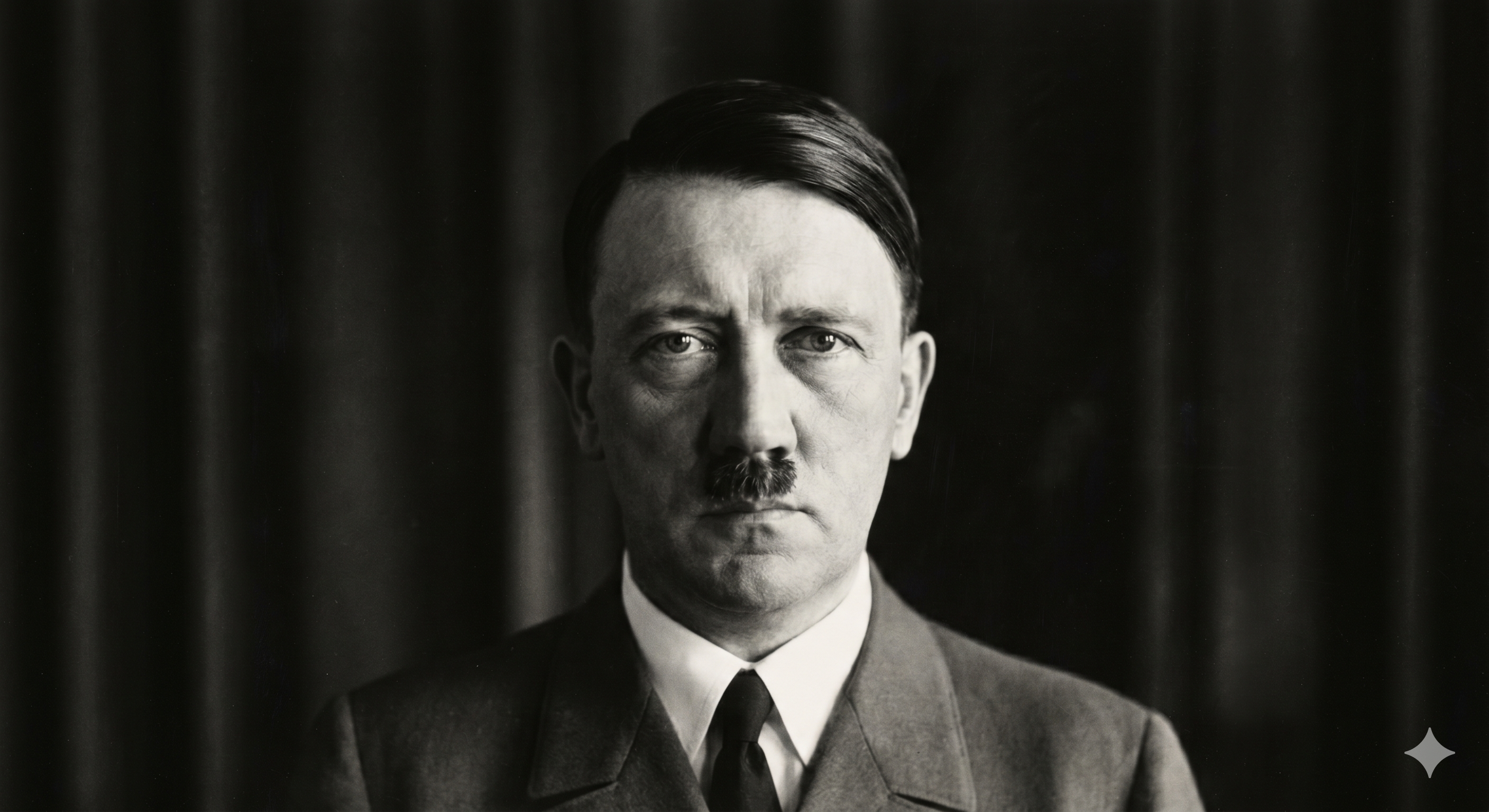
Adolf Hitler Biography: Rise to Power, World War II, and the Warning History Left Behind
M.T. Danikkar
Apr 17, 2026
Adolf Hitler Biography: Rise to Power, World War II, and the Warning History Left Behind
Introduction Adolf Hitler was the dictator of Nazi Germany whose rule led to World War II, the Holocaust, and one of the deadliest periods in human history. His rise from political outsider to totalitarian ruler remains a major warning about propaganda, extremism, and unchecked power. Quick Facts - Full Name: Adolf Hitler - Born: April 20, 1889 (Braunau am Inn, Austria-Hungary) - Died: April 30, 1945 (Berlin, Germany) - Family: Father Alois Hitler; Mother Klara Pölzl; Partner Eva Braun - Nationality: Austrian-born, became German citizen in 1932 - Field of Influence: Politics, Military, Ideology - Occupation: Dictator, Politician, Former Soldier - Known For: Nazi rule, World War II, Holocaust - Golden Era: 1933–1945 - Net Worth: Not clearly defined; controlled state power and resources - Primary Influences: Pan-German nationalism, antisemitic ideology, extremist movements of the era - Famous Quote: "The victor will never be asked if he told the truth." Early Life Hitler was born in Austria and spent much of his youth in Linz and Vienna. He wanted to become an artist but was rejected twice by the Academy of Fine Arts Vienna. During these years, he lived in hardship and absorbed radical nationalist and racist ideas that later shaped his politics. Education He completed basic schooling but did not pursue university education or formal professional training. Career Beginning During World War I, Hitler served in the Bavarian Army and received military decorations. After Germany’s defeat, he entered politics through the German Workers' Party, later transforming it into the Nazi Party. Rise to Power Germany’s economic crisis, political instability, and public anger after World War I created conditions that helped extremist politics grow. Key Turning Points - Great Depression weakened Germany - Nazi propaganda expanded support - Appointed Chancellor in 1933 - Enabling Act allowed dictatorship - Opposition parties and freedoms were crushed Rule Over Germany Once in power, Hitler established a totalitarian regime based on censorship, fear, militarization, and racial ideology. Major Actions - Rebuilt military in violation of treaties - Invaded neighboring countries - Expanded police-state control - Targeted minorities and political opponents Holocaust and Atrocities Under Nazi rule, six million Jews were murdered in the Holocaust, along with millions of others including Roma people, disabled people, political prisoners, prisoners of war, and civilians. This genocide remains one of history’s greatest crimes. Biggest Strategic Failures - Invading the Soviet Union - Declaring war on the United States - Fighting multiple fronts at once - Ignoring military advice - Increasing paranoia and poor decisions in final years Fall of the Regime By 1945, Allied forces had defeated Nazi Germany. Berlin collapsed, and Hitler died in his bunker on April 30, 1945. Habits and Personality - Powerful but aggressive speaking style - Highly controlling leadership approach - Severe distrust of others - Increasing isolation in later years - Obsessive micromanagement Controversies Historians Debate - Exact health conditions in later years - Drug dependence and medical treatment - Internal decision-making processes within Nazi leadership Legacy Hitler’s legacy is overwhelmingly one of destruction. His rule caused tens of millions of deaths, devastated Europe, and demonstrated the danger of hate-driven politics and authoritarian systems. How the World Changed Afterward 1. Creation of the United Nations A global effort to prevent future world wars. 2. Human Rights Frameworks Modern genocide laws and human-rights protections expanded. 3. Founding of Israel Postwar events accelerated creation of the state of Israel. 4. Cold War Era Power shifts after the war helped shape decades of global tension. Lessons From History 1. Hate Can Become Catastrophic Dehumanizing groups can lead to mass violence. 2. Democracy Must Be Protected Institutions weaken when fear and propaganda dominate. 3. Economic Crisis Can Fuel Extremism Instability can empower dangerous movements. 4. Power Without Accountability Is Dangerous Unchecked authority often leads to abuse. Final Verdict Adolf Hitler remains one of history’s clearest warnings. His rise shows how propaganda and division can destroy nations, while his fall reminds the world of the cost of tyranny.
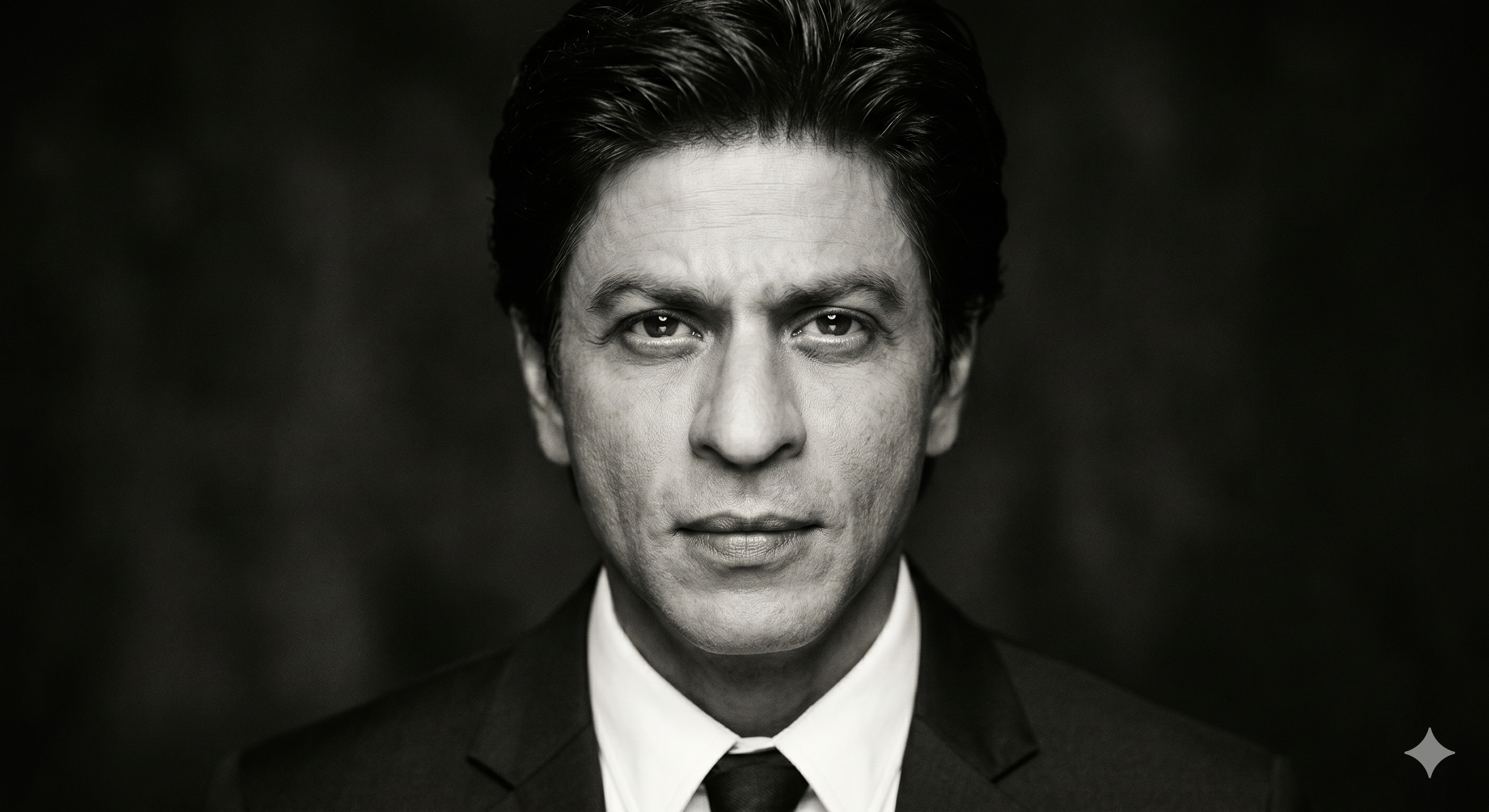
Shah Rukh Khan Biography: How the King of Bollywood Conquered the World
M.T. Danikkar
Apr 17, 2026
Shah Rukh Khan Biography: How the King of Bollywood Conquered the World
Introduction Shah Rukh Khan is one of the most iconic entertainers in the world. Known as the King of Bollywood, he transformed Indian cinema into a global cultural force through charisma, intelligence, and unmatched screen presence. From a middle-class Delhi boy to an international superstar, his journey is one of ambition, resilience, and reinvention. Quick Facts - Full Name: Shah Rukh Khan - Born: November 2, 1965 (New Delhi, India) - Died: N/A (Alive) - Family: Wife Gauri Khan; Children Aryan, Suhana, AbRam - Nationality: Indian - Field of Influence: Film, Entertainment, Business, Philanthropy - Occupation: Actor, Producer, Entrepreneur, TV Personality - Known For: Romantic films, King Khan title, KKR ownership - Golden Era: 1995–Present - Net Worth: Estimated $700M–$800M USD (2026) - Primary Inspiration: Dilip Kumar, Amitabh Bachchan - Famous Quote: "Picture abhi baaki hai, mere dost." Early Life Shah Rukh Khan was born into a middle-class family in New Delhi. His father was involved in activism and law, while his mother worked in social welfare. He faced major personal tragedy early in life, losing his father at 15 and mother at 25. These losses deeply shaped his hunger to succeed. Education He studied at St. Columba's School in Delhi and later graduated in Economics from Hansraj College. He began a master's degree in Mass Communications at Jamia Millia Islamia but left to pursue acting. Career Beginning Shah Rukh first became known through television serials such as Fauji (1989). His confidence and screen presence stood out immediately. In 1992, he entered films with Deewana, becoming an overnight sensation. Rise to Greatness Instead of following safe roles, SRK took bold risks early in his career. Turning Point His performance in Baazigar (1993) as an anti-hero shocked audiences and proved he was different from traditional stars. This helped launch one of cinema’s greatest careers. Major Achievements 1. Global Superstar Built one of the largest fan bases in world cinema. 2. Romantic Icon Defined romance for an entire generation through films like: - Dilwale Dulhania Le Jayenge - Kuch Kuch Hota Hai - Kal Ho Naa Ho 3. Business Success Founded Red Chillies Entertainment, a major production and VFX company. 4. Sports Ownership Co-owner of Kolkata Knight Riders (KKR). 5. Awards Won 14 Filmfare Awards and multiple global honors. Golden Era From 1995 to present, Shah Rukh remained one of the biggest names in entertainment, maintaining relevance across generations. Habits and Personality - Sharp sense of humor - Highly articulate speaker - Famous charm and confidence - Strong family values - Works late nights with little sleep - Deeply professional on set Fun Facts - Loves gadgets and video games - Often prefers profit-sharing over upfront fees - Honored by the French government - Has honorary doctorates from global universities Struggles - Entered film industry without family connections - Managed grief after losing both parents young - Constant media pressure as India’s biggest celebrity - Needed to reinvent career across decades Controversies SRK has occasionally faced political criticism and public controversies. One of the most discussed incidents was the 2012 Wankhede Stadium dispute that led to a temporary ban. Legacy Shah Rukh Khan globalized Bollywood. He helped Hindi cinema become a powerful export watched across Europe, the Middle East, Asia, and beyond. He became a symbol of Indian soft power worldwide. How the World Changed Because of SRK 1. Bollywood Went Global He opened international markets for Indian films. 2. Indian Stars Became Worldwide Icons Future actors benefited from doors he opened. 3. Celebrity Branding Expanded He combined film success with business influence. 4. Representation Grew Millions of overseas Indians connected with home through his films. Life Lessons From Shah Rukh Khan 1. Outsiders Can Win Talent and persistence can beat privilege. 2. Reinvent Constantly Longevity requires evolution. 3. Intelligence Matters Communication can multiply success. 4. Stay Human Success means little without generosity and family values. Final Verdict Shah Rukh Khan is more than a movie star. He is a global cultural phenomenon who turned dreams into legacy. From Delhi streets to worldwide fame, his story proves charisma plus hard work can change history.
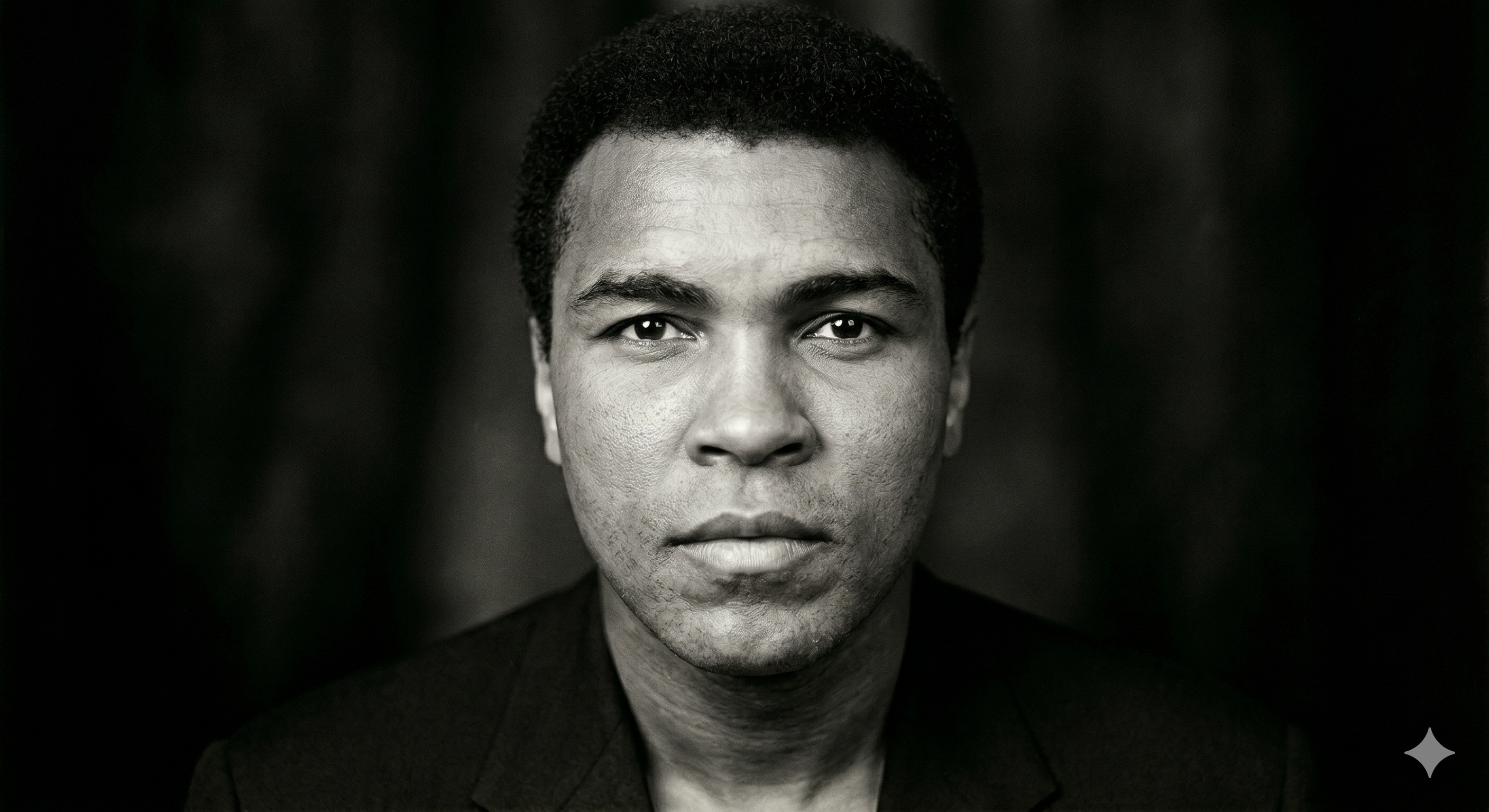
Muhammad Ali Biography: The Greatest Fighter Inside and Outside the Ring
M.T. Danikkar
Apr 17, 2026
Muhammad Ali Biography: The Greatest Fighter Inside and Outside the Ring
Introduction Muhammad Ali was far more than a boxing champion. He became a global symbol of courage, confidence, civil rights, and speaking truth to power. Inside the ring, he dazzled the world with speed and skill. Outside the ring, he challenged racism, defended religious freedom, and inspired millions. He remains one of the most influential athletes in history. Quick Facts - Full Name: Muhammad Ali (born Cassius Marcellus Clay Jr.) - Born: January 17, 1942 (Louisville, Kentucky, USA) - Died: June 3, 2016 (Scottsdale, Arizona, USA) - Family: Married four times; father of nine children including Laila Ali - Nationality: American - Field of Influence: Boxing, Civil Rights, Activism - Occupation: Boxer, Philanthropist, Public Figure - Known For: Heavyweight titles, Vietnam draft refusal, iconic quotes - Golden Era: 1960s–1970s - Net Worth: Approx. $50 Million at death - Primary Inspiration: Malcolm X, Elijah Muhammad, Joe Martin - Famous Quote: "Float like a butterfly, sting like a bee." Early Life Ali was born in segregated Louisville, Kentucky. At age 12, his bicycle was stolen, and while angry about it, he met a police officer who suggested he learn boxing first. That single moment changed sports history. Education He attended Central High School in Louisville while developing rapidly as an amateur boxer. Career Beginning Ali first gained global attention after winning Olympic Gold in the light heavyweight division at the 1960 Rome Olympics. Soon after, he turned professional and quickly became famous for his movement, confidence, and sharp verbal wit. Rise to Greatness Ali shocked the world in 1964 by defeating Sonny Liston and becoming heavyweight champion. After the victory, he announced his new faith and changed his name from Cassius Clay to Muhammad Ali. Turning Point His name change and public religious identity transformed him from athlete into a cultural force. It also brought heavy criticism from many at the time. Major Achievements 1. Three-Time World Heavyweight Champion Won titles in multiple eras. 2. Olympic Gold Medalist 1960 Rome Olympics champion. 3. Legendary Fights Famous bouts included: - Rumble in the Jungle - Thrilla in Manila - Fights with Joe Frazier and George Foreman 4. Global Sports Icon Helped make boxing a worldwide spectacle. Biggest Struggles - Refused military draft during Vietnam War - Lost prime boxing years during suspension - Public criticism for beliefs - Long battle with Parkinson’s disease Habits and Personality - Extremely charismatic - Fearless confidence - Master of psychological warfare - Quick humor and rhyming speech - Deep compassion in later life - Strong spiritual identity Fun Facts - Recorded spoken-word album before rap culture exploded - Performed magic tricks for fans - Lit Olympic cauldron in 1996 despite Parkinson’s - One of the most quoted athletes ever Controversies Ali’s anti-war stance and affiliation with the Nation of Islam created major controversy in America. Some verbal attacks on rivals, especially Joe Frazier, were later viewed critically. Legacy Muhammad Ali redefined what an athlete could be. He proved champions can also be voices for justice, religion, and personal freedom. He is remembered simply as The Greatest. How the World Changed Because of Ali 1. Athletes Became Activists Stars learned they could influence society. 2. Civil Rights Visibility Expanded Ali became a major Black icon globally. 3. Anti-War Resistance Grew His Vietnam stance inspired many. 4. Sports Entertainment Changed Confidence and personality became part of the game. Life Lessons From Muhammad Ali 1. Confidence Matters Belief often comes before victory. 2. Principles Have a Price Standing for values can cost comfort. 3. Talent Needs Courage Skill alone does not create legends. 4. Greatness Includes Humanity What you do outside success matters too. Final Verdict Muhammad Ali was not only a boxing legend but a symbol of fearless identity and moral courage. He won titles in the ring, but his greatest victories came through standing firm when the world wanted him silent.
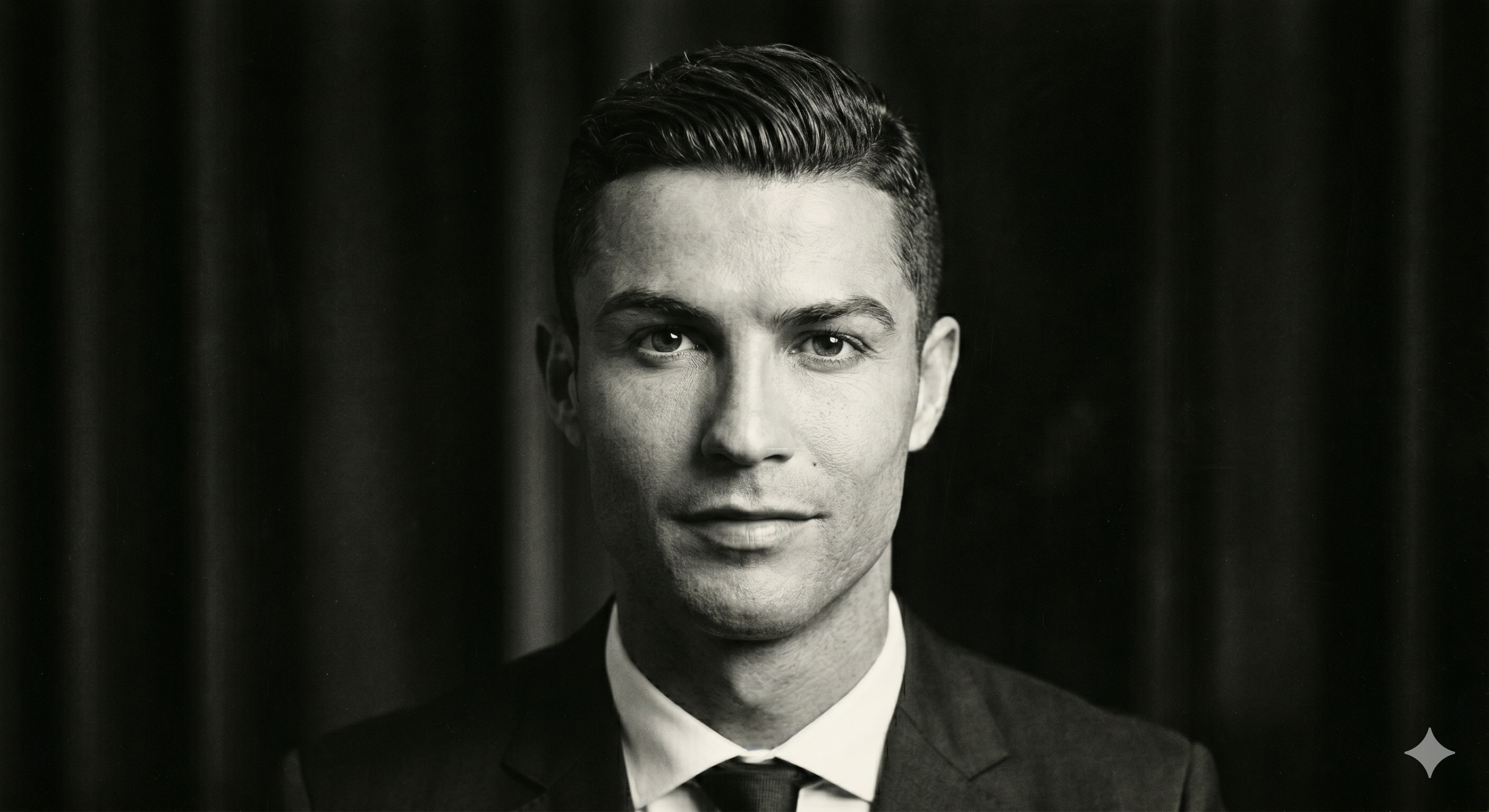
Cristiano Ronaldo Biography: Discipline, Goals, and the Mindset of a Legend
M.T. Danikkar
Apr 16, 2026
Cristiano Ronaldo Biography: Discipline, Goals, and the Mindset of a Legend
Introduction Cristiano Ronaldo is one of the greatest footballers in history. Known for his incredible goal-scoring records, elite discipline, and unmatched fitness standards, Ronaldo transformed modern football and became one of the most recognized athletes on Earth. From humble beginnings in Madeira to global superstardom, his journey is a story of ambition, sacrifice, and relentless work ethic. Quick Facts - Full Name: Cristiano Ronaldo dos Santos Aveiro - Born: February 5, 1985 (Funchal, Madeira, Portugal) - Died: N/A (Alive) - Family: Partner Georgina Rodríguez; Children Cristiano Jr., Eva, Mateo, Alana Martina, Bella Esmeralda - Nationality: Portuguese - Field of Influence: Sports, Fitness, Branding - Occupation: Professional Footballer - Known For: 900+ goals, Ballon d'Or wins, Manchester United, Real Madrid - Golden Era: 2008–2018 - Net Worth: Approx. $1.4 Billion (2026) - Primary Inspiration: Self-improvement and winning mentality - Famous Quote: "Your love makes me strong, your hate makes me unstoppable." Early Life Ronaldo was born into a modest family in Madeira, Portugal. Life was financially difficult, but football quickly became his passion. At a young age, he joined the youth academy of Sporting CP and moved alone to Lisbon as a teenager to chase his dream—showing courage and maturity beyond his years. Biggest Early Struggle At age 15, Ronaldo was diagnosed with tachycardia, a heart condition that threatened his career. After treatment, he returned stronger and continued his rise. Career Beginning Ronaldo made his professional debut for Sporting CP in 2002. His explosive pace, dribbling, and confidence impressed Sir Alex Ferguson, who signed him for Manchester United in 2003. This transfer changed his life forever. Rise to Greatness At Manchester United, Ronaldo evolved from flashy winger to complete attacker. Turning Points - 2003: Signed for Manchester United - 2008: Won Ballon d'Or - 2009: Joined Real Madrid - 2016: Won Euro with Portugal - 2020s: Continued elite performance into late 30s Major Achievements 1. Five Ballon d'Or Awards Recognized among the best players in the world multiple times. 2. Real Madrid Legend Club’s all-time top scorer. 3. Champions League Dominance Multiple UEFA Champions League titles. 4. International Greatness All-time top scorer in men's international football. 5. 900+ Career Goals One of football’s greatest goal machines. Golden Era Between 2008 and 2018, Ronaldo dominated world football with breathtaking consistency, scoring at historic levels while winning major trophies. Habits and Personality - Obsessed with fitness - Strict diet and recovery routines - Highly competitive mindset - Demands excellence - Incredible mental resilience - Trains harder than most younger players Fun Facts - Named after U.S. President Ronald Reagan - Built the CR7 business empire - One of the most followed people on social media - Famous for intense body conditioning - Known for arriving early and leaving late in training Controversies Like many global stars, Ronaldo has faced public scrutiny over transfers, interviews, rivalries, and personal matters. His departure from Manchester United in 2022 generated major worldwide debate. Legacy Cristiano Ronaldo changed how athletes approach longevity. He proved that discipline, nutrition, and professionalism can extend elite careers far beyond traditional limits. He is often mentioned alongside Lionel Messi in the greatest-of-all-time debate. How the World Changed Because of Ronaldo 1. Football Became Bigger Globally He helped grow the sport’s popularity worldwide. 2. Athlete Branding Evolved Players became global business brands. 3. Fitness Standards Rose Modern athletes copied his discipline and recovery methods. 4. Social Media Era Changed Sports He showed how athletes can directly influence billions of fans. Life Lessons From Ronaldo 1. Talent Starts the Journey Hard work sustains greatness. 2. Discipline Beats Excuses Daily habits build legendary careers. 3. Pressure Can Build You Criticism can become motivation. 4. Reinvent Yourself Greatness requires adapting over time. Final Verdict Cristiano Ronaldo is more than a football icon. He is a symbol of ambition, consistency, and self-belief. From Madeira to world legend, his story proves that discipline can turn talent into immortality.
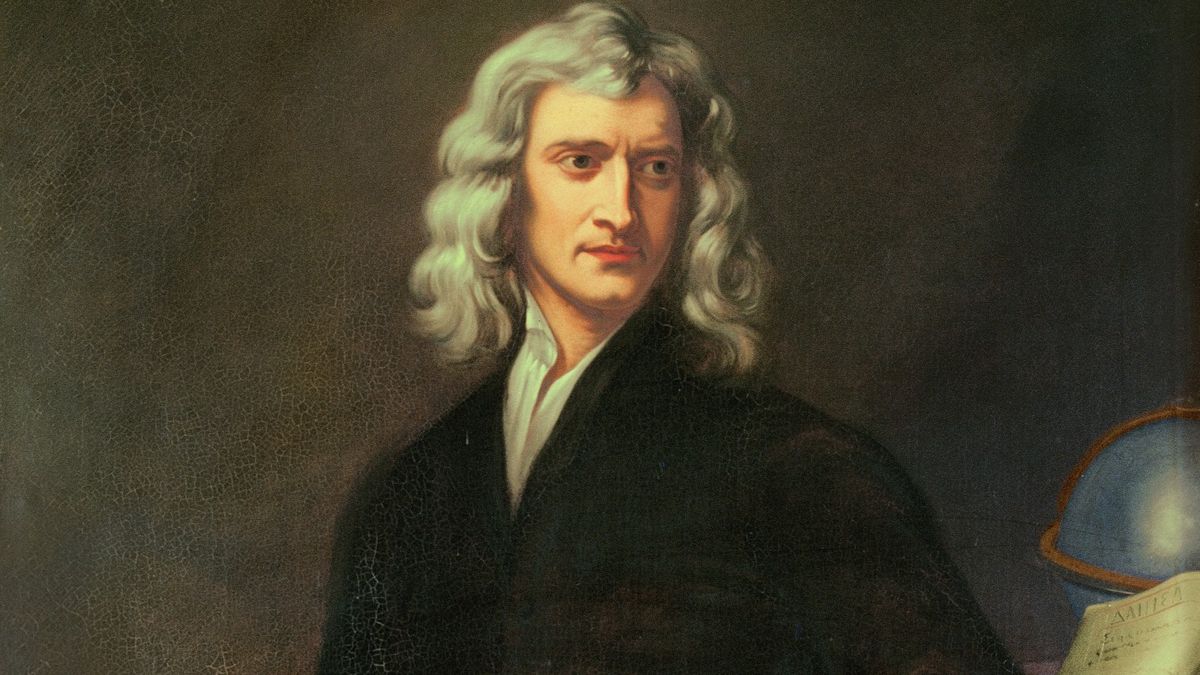
Isaac Newton Biography: The Genius Who Explained Gravity and Changed Science Forever
M.T. Danikkar
Apr 16, 2026
Isaac Newton Biography: The Genius Who Explained Gravity and Changed Science Forever
Introduction Sir Isaac Newton was one of the greatest scientific minds in history. His discoveries in physics, mathematics, and astronomy transformed humanity’s understanding of the universe. From the laws of motion to gravity and calculus, Newton built the framework of modern science. He remains one of the most influential thinkers ever born. Quick Facts - Full Name: Sir Isaac Newton - Born: December 25, 1642 (Old Style) / January 4, 1643 (New Style) - Died: March 20, 1727 (Old Style) / March 31, 1727 (New Style) - Birthplace: Woolsthorpe, England - Nationality: English (British) - Field of Influence: Physics, Mathematics, Astronomy, Natural Philosophy - Occupation: Scientist, Mathematician, Astronomer, Master of the Mint - Known For: Gravity, Laws of Motion, Calculus, Principia Mathematica - Golden Era: 1665–1687 - Net Worth: Wealthy by standards of his time - Primary Inspiration: Galileo, Kepler, Descartes, Euclid - Famous Quote: "If I have seen further it is by standing on the shoulders of Giants." Early Life Newton was born prematurely and never knew his father, who died before his birth. His mother remarried when he was young, and he was largely raised by grandparents. This difficult childhood shaped his solitary and self-reliant nature. Even as a boy, he loved building mechanical models and studying how things worked. Education He attended The King's School in Grantham and later entered Trinity College, Cambridge in 1661. There he quickly surpassed traditional teaching by independently studying advanced thinkers. Career Beginning Newton’s most famous breakthrough period came during the Great Plague (1665–1666), when Cambridge closed and he returned home to Woolsthorpe. During this isolated period, he developed early ideas on: - Calculus - Optics - Gravity - Motion This era became known as his annus mirabilis (year of wonders). Rise to Greatness Newton later organized his discoveries into a system that explained the physical world mathematically. Turning Point The publication of Philosophiæ Naturalis Principia Mathematica (1687) changed science forever. Major Achievements 1. Three Laws of Motion Foundation of classical mechanics. 2. Universal Gravitation Explained why objects fall and planets orbit. 3. Calculus Co-developed one of mathematics’ most powerful tools. 4. Reflecting Telescope Built the first practical version. 5. Scientific Method Advancement Set standards for mathematical proof and experimentation. Biggest Struggles - Bitter disputes with rivals like Leibniz and Hooke - Periods of extreme stress and mental instability - Secretive nature slowed publication of ideas - Political pressures in later government roles Habits and Personality - Intensely focused - Worked in deep isolation - Highly secretive - Perfectionist - Sharp memory and discipline - Could be harsh toward rivals Fun Facts - Studied alchemy extensively - Predicted the world would end in 2060 - Served as Master of the Royal Mint - Personally pursued counterfeiters - First scientist buried in Westminster Abbey Controversies Newton’s long dispute with Leibniz over who invented calculus first damaged scientific relations across Europe and remains one of history’s most famous academic rivalries. Legacy Newton became the central figure of the Scientific Revolution. His laws dominated physics for centuries until Einstein and quantum mechanics expanded the picture. Even today, Newtonian physics remains essential in engineering and everyday mechanics. How the World Changed Because of Newton 1. Science Became Mathematical Nature could be explained through equations. 2. Engineering Advanced Rapidly Machines, bridges, and industry benefited from mechanics. 3. Space Exploration Became Possible Rocket science relies heavily on Newtonian laws. 4. Modern Physics Was Born He built the foundation later scientists expanded. Life Lessons From Isaac Newton 1. Solitude Can Produce Great Work Deep focus creates breakthroughs. 2. Stay Curious Simple questions can unlock universal truths. 3. Build on Others' Work Progress is cumulative. 4. Precision Matters Great ideas need proof and rigor. Final Verdict Isaac Newton did not just discover scientific laws—he changed how humanity thinks. His work turned the universe from mystery into mathematics and laid the path for the modern world.
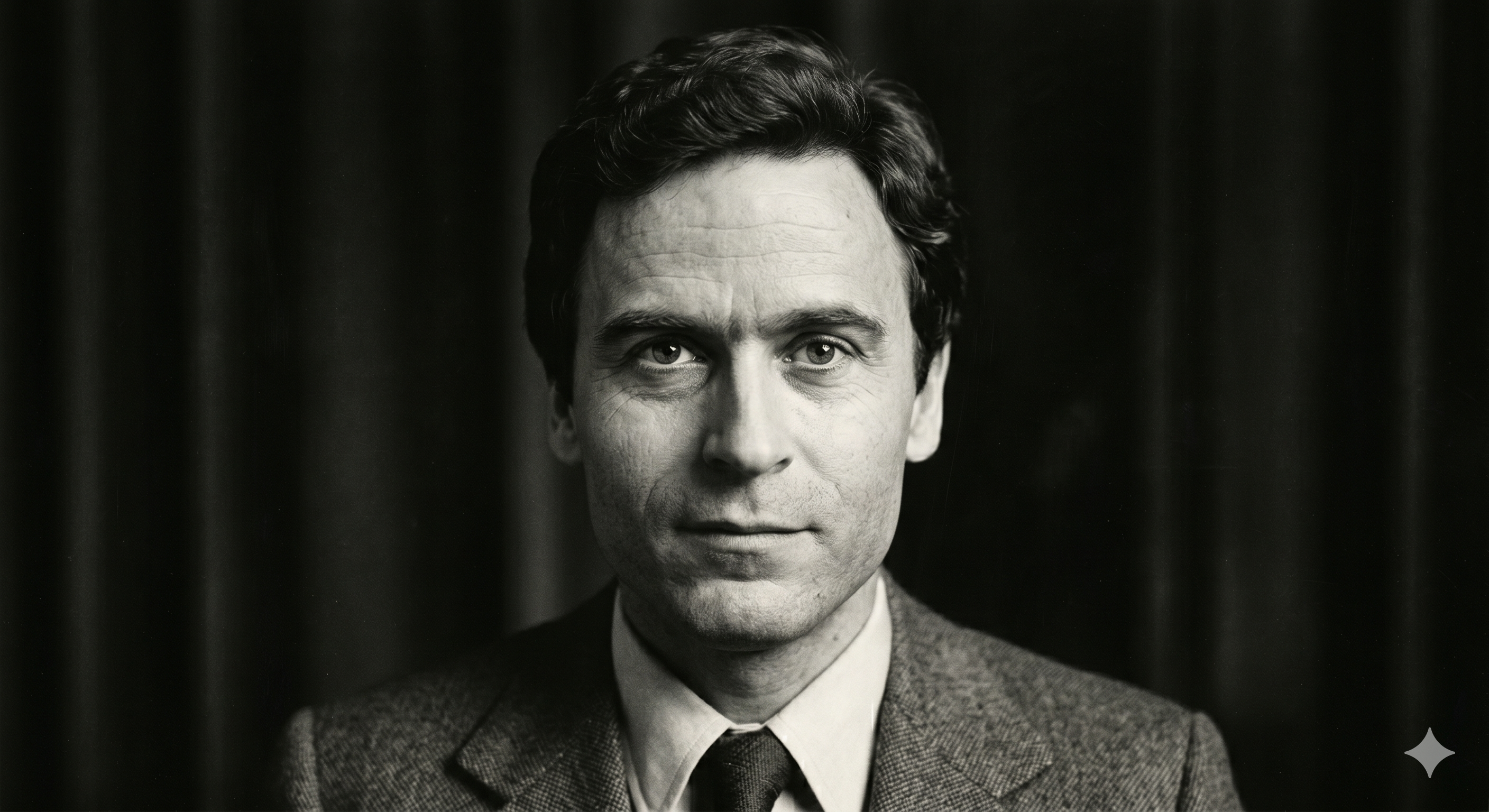
Ted Bundy Biography: The Charming Killer Who Changed Criminal History
M.T. Danikkar
Apr 15, 2026
Ted Bundy Biography: The Charming Killer Who Changed Criminal History
Introduction Ted Bundy was one of the most infamous serial killers in American history. His case shocked the public because he did not fit the common image of a violent criminal. Intelligent, articulate, and outwardly charismatic, Bundy revealed how dangerous predators can hide behind a normal appearance. Quick Facts - Full Name: Theodore Robert Bundy - Born: November 24, 1946 (Burlington, Vermont, USA) - Died: January 24, 1989 (Executed in Florida, USA) - Family: Mother Eleanor Louise Cowell; Daughter Rose Bundy - Nationality: American - Field of Influence: Criminal History, Forensic Psychology, Law Enforcement - Occupation: Student, Law Student, Serial Killer - Known For: Murders across multiple U.S. states, prison escapes, televised trial - Golden Era: 1974–1978 - Net Worth: Not Applicable - Primary Context: Criminal pathology and manipulative behavior - Famous Quote: "I'm the most cold-hearted son of a bitch you'll ever meet." Early Life Bundy was born to an unmarried mother and spent much of his childhood believing his grandparents were his parents and his mother was his sister. The later discovery of the truth has often been discussed by psychologists studying his personality development. He appeared socially normal in youth and was considered intelligent and capable. Education Bundy attended the University of Washington, earning a degree in psychology. He later studied law at the University of Puget Sound but did not complete his degree. Public Persona One of the most disturbing aspects of Bundy’s case was how ordinary he seemed. He Was Often Described As: - Intelligent - Well-spoken - Educated - Calm under pressure - Socially presentable These traits helped him gain trust and avoid suspicion. Criminal Activity During the 1970s, Bundy committed a series of murders across several U.S. states. He confessed to multiple killings before his execution, though the exact number remains debated. His crimes involved deception, kidnapping, violence, and attempts to evade capture. Turning Point His arrest in Utah in 1975 for attempted kidnapping helped connect him to other unsolved cases. Investigators began piecing together a multi-state pattern. Prison Escapes Bundy became notorious for escaping custody twice. Famous Escapes - Jumped from a courthouse library window - Escaped through a ceiling opening in jail These escapes intensified national attention. Trial and Media Attention Bundy’s Florida trial became one of the first nationally televised criminal trials in America. It created enormous media fascination and also raised ethical concerns about turning criminals into public spectacles. He even acted as part of his own defense. Habits and Personality Traits Psychologists and investigators often described Bundy as: - Narcissistic - Highly manipulative - Emotionally detached - Skilled at deception - Lacking empathy Legacy Ted Bundy remains one of the most studied criminal cases in modern history. His Case Influenced: - FBI behavioral profiling - Multi-state law enforcement cooperation - Public awareness of predatory behavior - True crime media culture How the World Changed After His Crimes 1. Better Police Coordination Agencies improved information sharing across states. 2. Public Safety Awareness People became more cautious about strangers and deceptive behavior. 3. Criminal Psychology Research Bundy’s case became central in studying psychopathy and serial offenders. 4. Media Ethics Debate His trial sparked questions about glamorizing violent criminals. Life Lessons 1. Charm Is Not Character Outward confidence can hide dangerous intentions. 2. Trust Should Be Balanced With Awareness Manipulators often rely on appearances. 3. Systems Must Communicate Shared information can prevent repeated harm. 4. Media Attention Has Consequences Public fascination with criminals can distort reality. Final Verdict Ted Bundy’s story is not one of admiration, but warning. His case exposed how violence can hide behind normalcy and permanently changed criminal investigation, psychology, and public awareness.
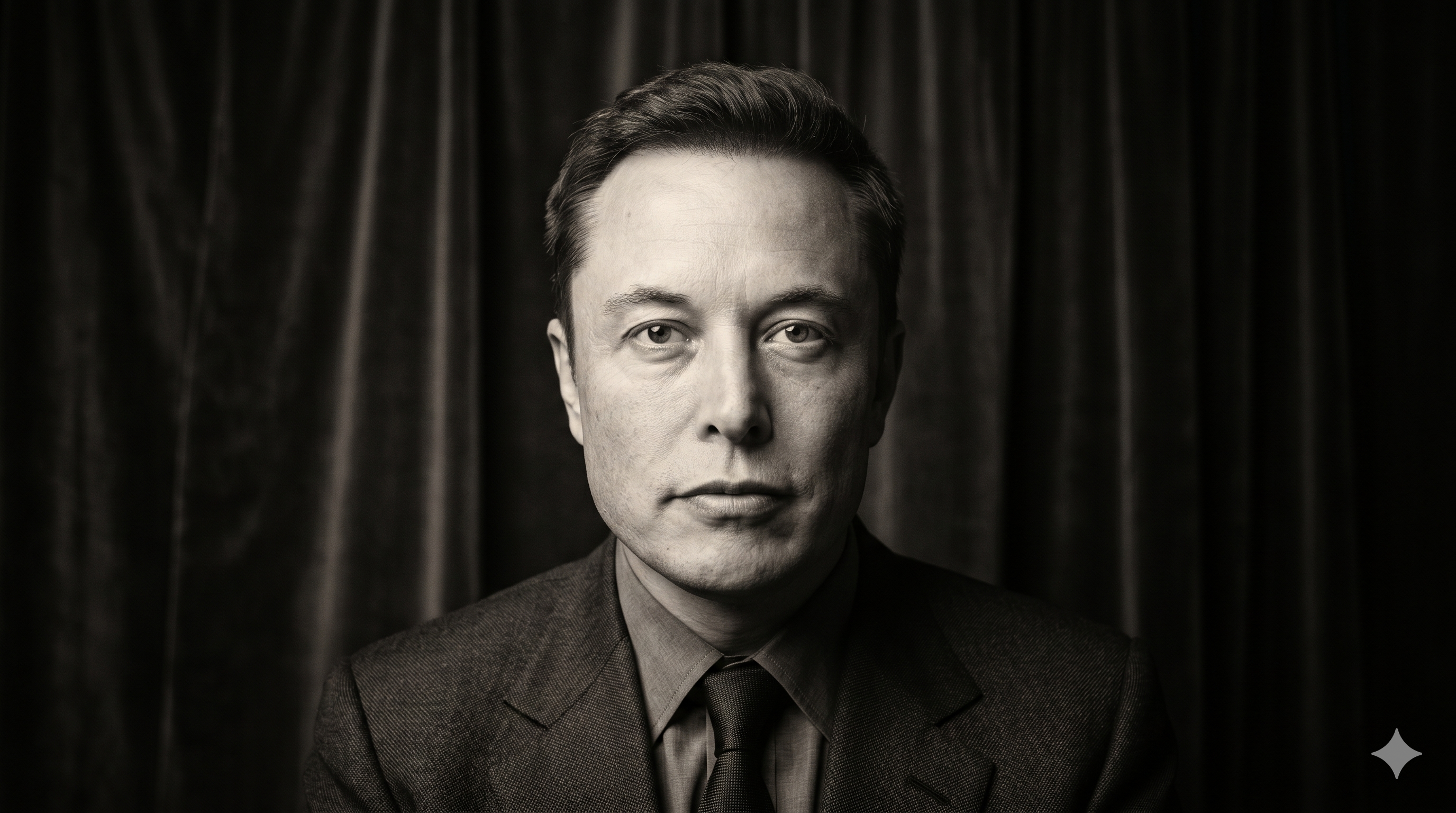
Elon Musk Biography: Tesla, SpaceX, AI, and the Mindset of a Modern Titan
M.T. Danikkar
Apr 15, 2026
Elon Musk Biography: Tesla, SpaceX, AI, and the Mindset of a Modern Titan
Introduction Elon Musk is one of the most influential entrepreneurs of the 21st century. From electric cars and reusable rockets to artificial intelligence and satellite internet, Musk has repeatedly pushed industries into the future. Loved by some and criticized by others, he remains one of the most impactful figures of the modern era. Quick Facts - Full Name: Elon Reeve Musk - Born: June 28, 1971 (Pretoria, South Africa) - Died: N/A (Alive) - Family: Parents Maye Musk and Errol Musk; Siblings Kimbal and Tosca; Multiple children - Nationality: South African, Canadian, American - Field of Influence: Aerospace, Automotive, AI, Social Media, Infrastructure - Occupation: Entrepreneur, CEO, Engineer - Known For: Tesla, SpaceX, X, Neuralink, Starlink, xAI - Golden Era: 2015–Present - Net Worth: Approx. $809 Billion (April 2026 estimate provided) - Primary Inspiration: Science fiction, future survival of humanity - Famous Quote: "When something is important enough, you do it even if the odds are not in your favor." Early Life Elon Musk was born in Pretoria, South Africa. As a child, he was known for intense curiosity and reading habits. He reportedly consumed books constantly and taught himself computer programming at a young age. At age 12, he created and sold a simple video game called Blastar. Education Musk moved to Canada at 17, later attending Queen’s University before transferring to the University of Pennsylvania, where he earned degrees in Physics and Economics. He briefly joined Stanford for a PhD program but left after two days to pursue startups during the internet boom. Career Beginning Musk’s first major company was Zip2, which helped newspapers with online directories. After its sale, he co-founded X.com, which later became PayPal. The PayPal sale gave him the capital to chase much bigger goals. Rise to Greatness Instead of retiring wealthy, Musk invested heavily into risky companies. Major Turning Points - 2002: Founded SpaceX - 2004: Joined Tesla early and became key leader - 2008: Falcon 1 success saved SpaceX - 2010s: Tesla became EV leader - 2020s: Expanded into AI, social media, brain tech Major Achievements 1. SpaceX Made reusable rockets a reality and lowered launch costs globally. 2. Tesla Helped turn electric vehicles into mainstream demand. 3. Starlink Built a massive satellite internet network. 4. Neuralink Developing brain-computer interfaces. 5. xAI Competing in advanced artificial intelligence systems. Biggest Struggles - Near bankruptcy in 2008 - Constant public scrutiny - Regulatory battles - Running multiple high-pressure companies - Criticism over deadlines and bold promises Habits and Personality - Intense work ethic - Sleeps at factories during crises - First-principles thinker - Extremely high risk tolerance - Direct and unconventional communication style - Obsessed with engineering solutions Fun Facts - Appeared in films and TV shows - Holds citizenship in three countries - Known for posting memes online - Often works extremely long hours Controversies Musk has faced major debates around: - Management of X (formerly Twitter) - Political commentary - AI warnings and predictions - Workplace culture claims - Bold timelines for Mars and technology launches Legacy Elon Musk changed how people think about impossible goals. He made rockets reusable, made EVs aspirational, and pushed public conversation toward AI, Mars, and humanity’s future. How the World Changed Because of Musk 1. Space Became Commercialized Private companies now lead major space innovation. 2. EV Revolution Accelerated Car makers worldwide were forced toward electric vehicles. 3. Internet Access Expanded Starlink changed connectivity in remote regions. 4. AI Race Intensified His moves accelerated global AI competition. Life Lessons From Elon Musk 1. Think Bigger Than Normal Large goals attract large outcomes. 2. Risk Is Often Required Safe paths rarely create disruption. 3. Learn Deeply Understanding fundamentals creates innovation. 4. Persistence Wins Many breakthroughs happen after repeated failures. Final Verdict Elon Musk is one of the defining figures of modern business and technology. Whether admired or criticized, his impact on transport, space, AI, and future thinking is impossible to ignore.
Pablo Escobar Biography: Rise, Power, and the Violent Fall of a Drug Empire
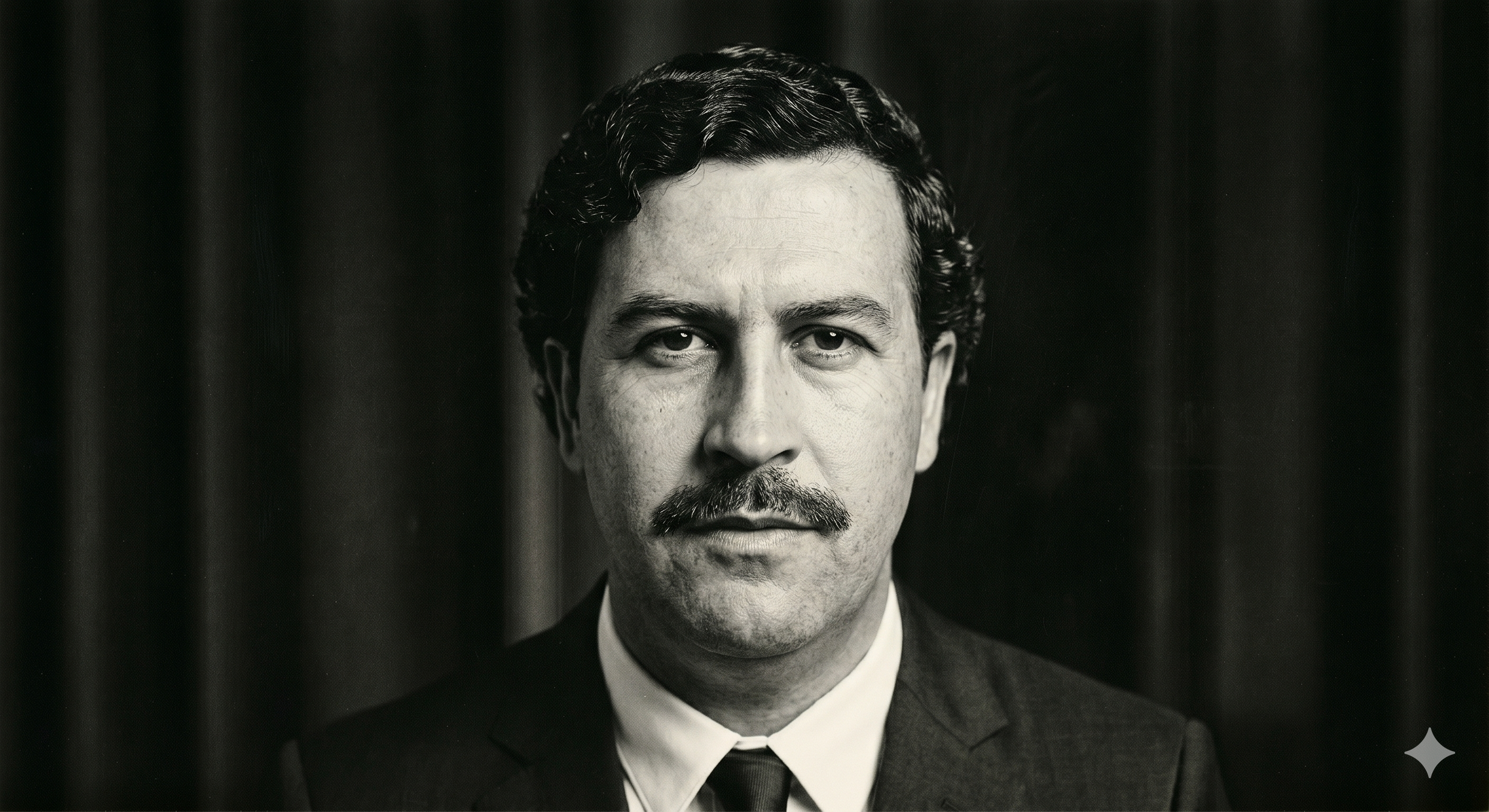
M.T. Danikkar
Apr 15, 2026
Pablo Escobar Biography: Rise, Power, and the Violent Fall of a Drug Empire
Introduction Pablo Escobar was one of the most notorious criminals in modern history. As leader of the Medellín Cartel, he built a multibillion-dollar cocaine empire that spread violence, corruption, and fear across Colombia and beyond. His story is often described as one of wealth without limits and destruction without mercy. Quick Facts - Full Name: Pablo Emilio Escobar Gaviria - Born: December 1, 1949 (Rionegro, Colombia) - Died: December 2, 1993 (Medellín, Colombia) - Family: Wife María Victoria Henao; Children Juan Pablo and Manuela - Nationality: Colombian - Field of Influence: Organized Crime, Drug Trafficking - Occupation: Drug Lord, Smuggler, Brief Politician - Known For: Medellín Cartel, global cocaine empire, "Plata o plomo" - Golden Era: 1980–1993 - Net Worth: Estimated peak $30 Billion USD - Primary Motivation: Power, wealth, control - Famous Quote: "Plata o plomo" (Money or lead) Early Life Escobar was born in Colombia and raised in Medellín. From a young age, he entered street crime and small illegal businesses. He reportedly sold contraband goods and ran scams before moving into larger criminal operations. His early years showed strong ambition, risk-taking, and disregard for authority. Education He did not complete higher education. He briefly pursued studies connected to political ambitions but left due to financial and personal circumstances. Career Beginning In the 1970s, Escobar entered smuggling and later shifted to cocaine trafficking, recognizing its enormous profitability. He helped build the Medellín Cartel, which became one of the most powerful criminal organizations in history. Rise to Power As global cocaine demand surged, Escobar expanded rapidly. Turning Points - Built trafficking routes into the United States - Controlled large portions of cocaine supply - Used bribery and intimidation to protect operations - Entered politics briefly to gain legitimacy Major Infamous Achievements 1. Massive Drug Empire At his peak, he reportedly controlled a huge share of the global cocaine market. 2. Extreme Wealth He became one of the richest criminals ever recorded. 3. Political Influence Used corruption to infiltrate institutions. 4. Public Support Campaigns Funded housing and community projects in poor neighborhoods. Biggest Struggles - Rival cartels, especially Cali Cartel - Colombian government crackdowns - International law enforcement pressure - Internal betrayal and paranoia - Increasing public backlash Violence and Terror Escobar’s era was marked by bombings, assassinations, kidnappings, and widespread fear. Thousands of people, including civilians, police, judges, and officials, were killed during cartel violence. Habits and Personality - Charismatic but ruthless - Highly strategic - Obsessive about loyalty - Violent when challenged - Generous to supporters - Deeply paranoid in later years Fun Facts - Owned Hacienda Nápoles, a giant estate with exotic animals - Hippos from his estate still exist in Colombia - Served briefly in Congress - Spent large sums just storing and bundling cash Controversies Escobar remains controversial because some remember his charity projects, while many others remember the terror, murders, and damage he caused to Colombia. Fall of the Empire By the early 1990s, his power weakened. After surrendering and later escaping from his luxury prison, he became the target of an intense manhunt. He was killed in Medellín in 1993. Legacy Pablo Escobar became a global symbol of how criminal wealth can destabilize nations. His story is often used as a warning about corruption, violence, and the destructive power of narcotics empires. How the World Changed Because of Escobar 1. Global Drug War Intensified Governments expanded anti-cartel operations. 2. Law Enforcement Cooperation Increased International agencies coordinated more closely. 3. Colombia Was Deeply Transformed Politics, policing, and security changed permanently. 4. Crime Culture Entered Media His story became central to books, films, and documentaries. Life Lessons 1. Wealth Without Ethics Destroys Money gained through violence carries enormous costs. 2. Power Built on Fear Is Temporary Violence eventually creates enemies everywhere. 3. Corruption Weakens Nations Institutions collapse when bought by crime. 4. Legacy Matters More Than Riches Infamy is not success. Final Verdict Pablo Escobar built one of history’s most powerful criminal empires, but it ended in chaos and bloodshed. His life remains a warning that unchecked greed and violence can damage entire generations.
Princess Diana Biography: The People's Princess Who Changed Royal History
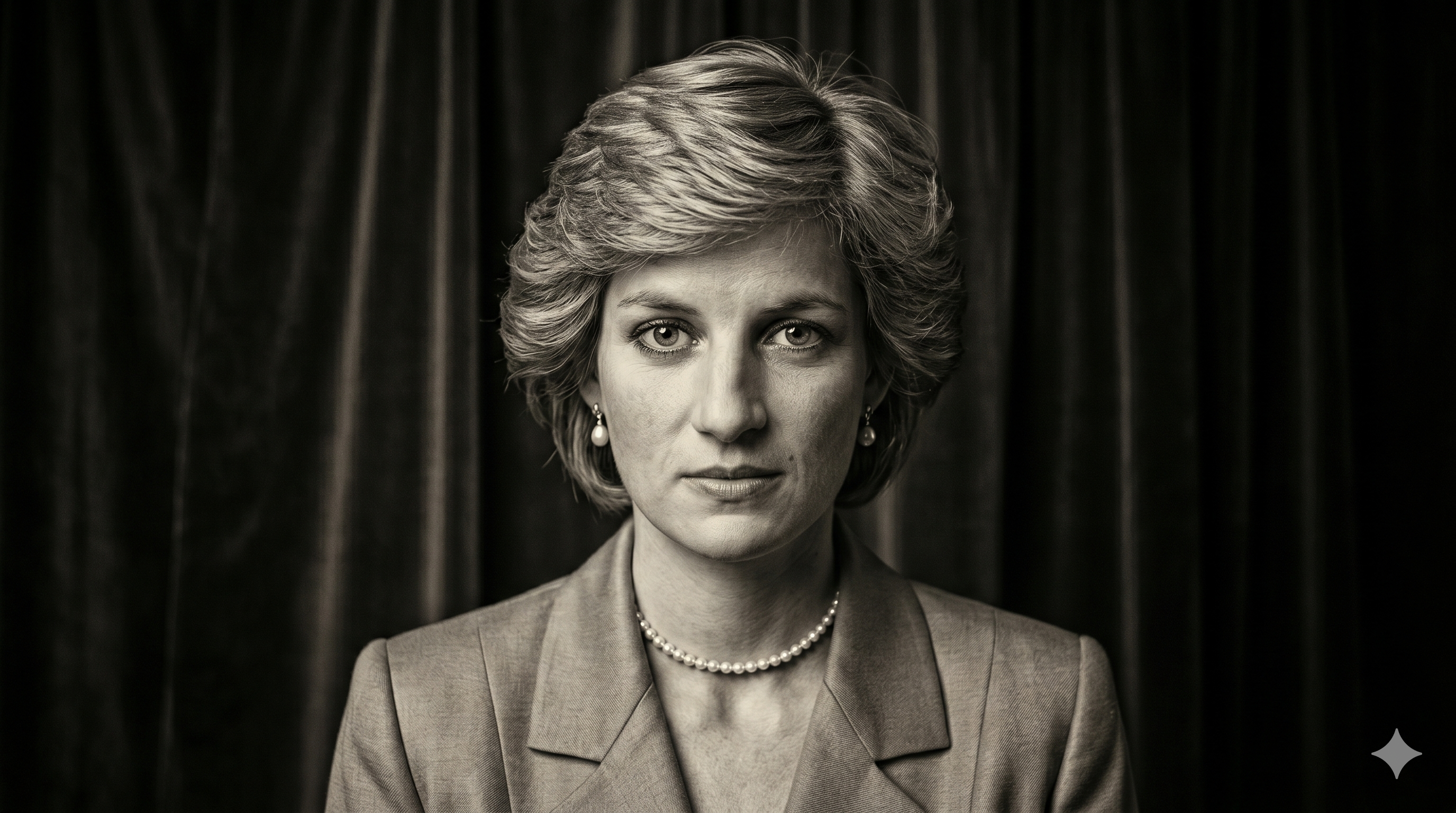
M.T. Danikkar
Apr 15, 2026
Princess Diana Biography: The People's Princess Who Changed Royal History
Introduction Princess Diana was one of the most admired and influential public figures of the 20th century. Known as The People's Princess, she transformed the image of royalty through empathy, openness, and humanitarian service. Her life combined glamour, pain, compassion, and a legacy that still shapes the modern monarchy. Quick Facts - Full Name: Diana Frances Spencer - Born: July 1, 1961 (Sandringham, Norfolk, United Kingdom) - Died: August 31, 1997 (Paris, France) - Family: Parents John Spencer and Frances Shand Kydd; Children Prince William and Prince Harry - Nationality: British - Field of Influence: Royalty, Philanthropy, Humanitarianism, Fashion - Occupation: Princess of Wales, Philanthropist - Known For: Royal marriage, charity work, global popularity - Golden Era: 1981–1997 - Net Worth: Approx. £21 million estate at death - Primary Inspiration: Compassion and service to ordinary people - Famous Quote: "I don't go by the rule book... I lead from the heart, not the head." Early Life Diana was born into the British aristocracy and grew up close to royal surroundings. Her childhood, however, was affected by her parents' difficult divorce and custody battles. These early experiences influenced her sensitivity toward children, family struggles, and emotional pain. Education She attended Riddlesworth Hall, West Heath School, and later a finishing school in Switzerland. Though not known as highly academic, Diana excelled in arts, music, sports, and social warmth. Career Beginning Before joining the Royal Family, Diana worked ordinary jobs including as a dance instructor and kindergarten assistant in London. Her normal background made her relatable to the public. Turning Point In 1981, her engagement and marriage to Prince Charles placed her instantly on the global stage. She became one of the most photographed women in the world almost overnight. Rise to Global Influence What made Diana different was not only royal status—it was how human she seemed. She hugged patients, comforted children, spoke openly about pain, and broke rigid traditions. Major Achievements 1. Humanized the Monarchy Made the Royal Family appear warmer and more connected to people. 2. HIV/AIDS Awareness Helped remove stigma by publicly shaking hands with AIDS patients in 1987. 3. Landmine Campaign Brought global attention to anti-personnel landmines. 4. Charity Work Supported causes involving homelessness, children, cancer, and mental health. 5. Fashion Influence Became one of the world’s biggest style icons. Biggest Struggles - Intense media intrusion - Bulimia and mental health battles - Public breakdown of marriage - Pressure of royal expectations - Loss of privacy Habits and Personality - Highly empathetic - Emotionally expressive - Rebellious against rigid rules - Natural warmth with strangers - Protective mother - Strong intuition Fun Facts - First Englishwoman in centuries to marry an heir to the throne - Worked with children before marriage - Global fashion trendsetter - Hugely popular across generations Controversies Her 1995 Panorama interview caused major controversy after openly discussing her marriage and palace life. It challenged royal secrecy and changed public expectations of transparency. Legacy Princess Diana remains one of the most beloved women in modern history. She changed what people expected from royalty: less distance, more humanity. Her sons, William and Harry, continue many charitable causes linked to her influence. How the World Changed Because of Diana 1. Public Figures Became More Human People began expecting honesty and vulnerability. 2. Royal Institutions Modernized The monarchy became more emotionally accessible. 3. Celebrity Activism Expanded Famous people increasingly used fame for causes. 4. Taboo Issues Were Discussed She helped normalize conversations around AIDS and mental health. Life Lessons From Princess Diana 1. Empathy Is Power Kindness can influence more than status. 2. Vulnerability Creates Connection Honesty can inspire others. 3. Use Visibility for Good Platforms should help others. 4. Grace Under Pressure Matters Character shows during struggle. Final Verdict Princess Diana was more than royalty. She became a symbol of compassion in a formal institution and a reminder that true influence comes from heart, not title. Her legacy still lives across the world.
Bhagat Singh Biography: The Revolutionary Who Became a Symbol of Freedom
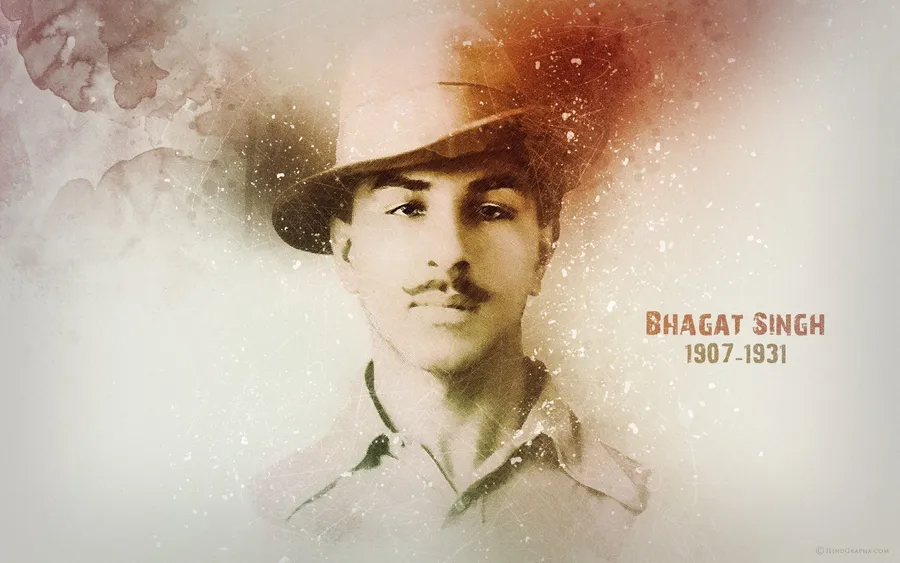
M.T. Danikkar
Apr 15, 2026
Bhagat Singh Biography: The Revolutionary Who Became a Symbol of Freedom
Introduction Bhagat Singh is one of the most celebrated revolutionaries in Indian history. Known for fearless courage, intellectual depth, and total sacrifice, he became the youthful face of resistance against British colonial rule. His slogan "Inquilab Zindabad" still echoes as a symbol of justice and freedom. Quick Facts - Full Name: Bhagat Singh - Born: September 28, 1907 (Banga, Punjab, British India) - Died: March 23, 1931 (Lahore Central Jail) - Family: Parents Kishan Singh and Vidyavati; several siblings - Nationality: Indian - Field of Influence: Revolutionary Socialism, Anti-Colonialism, Political Thought - Occupation: Revolutionary, Activist, Writer - Known For: Assembly bombing, Saunders case, prison hunger strike - Golden Era: 1926–1931 - Net Worth: Not Applicable - Primary Inspiration: Kartar Singh Sarabha, socialist thinkers, family activism - Famous Quote: "Inquilab Zindabad!" Early Life Bhagat Singh was born into a patriotic Sikh family deeply involved in anti-British activities. Politics and sacrifice surrounded him from childhood. A major turning point came after the Jallianwala Bagh massacre (1919). Deeply shaken, the young Bhagat Singh visited the site and collected blood-soaked soil as a personal reminder of injustice. Education He studied at Dayanand Anglo-Vedic School and later National College, Lahore, founded by Lala Lajpat Rai. Unlike colonial institutions, this college encouraged nationalist thought and debate. Career Beginning Bhagat Singh believed freedom required stronger resistance than petitions and compromise. He joined the Hindustan Republican Association, later helping transform it into the Hindustan Socialist Republican Association (HSRA). Rise to Revolutionary Fame His influence grew rapidly among young Indians. Turning Point After Lala Lajpat Rai died from injuries caused during a police lathi charge in 1928, Bhagat Singh and comrades targeted police officer John Saunders in retaliation. This made him one of the most wanted revolutionaries in British India. Major Achievements 1. Youth Mobilization Founded Naujawan Bharat Sabha to inspire young people. 2. Central Legislative Assembly Protest Used non-lethal bombs and leaflets to protest colonial repression. 3. Prison Hunger Strike Drew national attention to treatment of political prisoners. 4. Revolutionary Writings Produced influential essays on freedom, atheism, and justice. Biggest Struggles - Living underground under constant danger - Harsh prison treatment - Torture and confinement - Conflict between revolutionary and non-violent strategies - Facing execution at a young age Habits and Personality - Highly intellectual and widely read - Courageous under pressure - Calm in danger - Strong debating skills - Rational and anti-dogma thinker - Charismatic youth leader Fun Facts - Loved reading books on revolution and history - Enjoyed theatre and films - Maintained humor even during difficult times - Became a youth icon before age 24 Controversies His use of armed resistance remains debated compared with non-violent methods. His socialist and atheist views also challenged many traditional leaders of his time. Martyrdom Bhagat Singh, Rajguru, and Sukhdev were executed on March 23, 1931. He was only 23 years old, yet his death turned him into an immortal national symbol. Legacy Bhagat Singh is remembered as Shaheed-e-Azam (The Great Martyr). More than a fighter, he was a thinker who believed political freedom must include social and economic justice. How the World Changed Because of Bhagat Singh 1. Youth Politics Expanded Millions of young Indians became politically active. 2. Freedom Debate Deepened People discussed justice beyond mere independence. 3. Revolution Became Intellectual Ideas became as important as action. 4. Martyrdom Inspired Generations His sacrifice motivated future movements. Life Lessons From Bhagat Singh 1. Courage Has No Age Limit Young people can shape history. 2. Read Deeply Strong action needs strong ideas. 3. Principles Matter Some values are bigger than fear. 4. Freedom Must Be Fair Political freedom without justice is incomplete. Final Verdict Bhagat Singh lived only 23 years, yet achieved immortality through courage and conviction. He was not just a revolutionary with a gun, but a visionary with a mind far ahead of his time.
Lionel Messi Biography: Talent, Humility, and the Making of a Football Legend
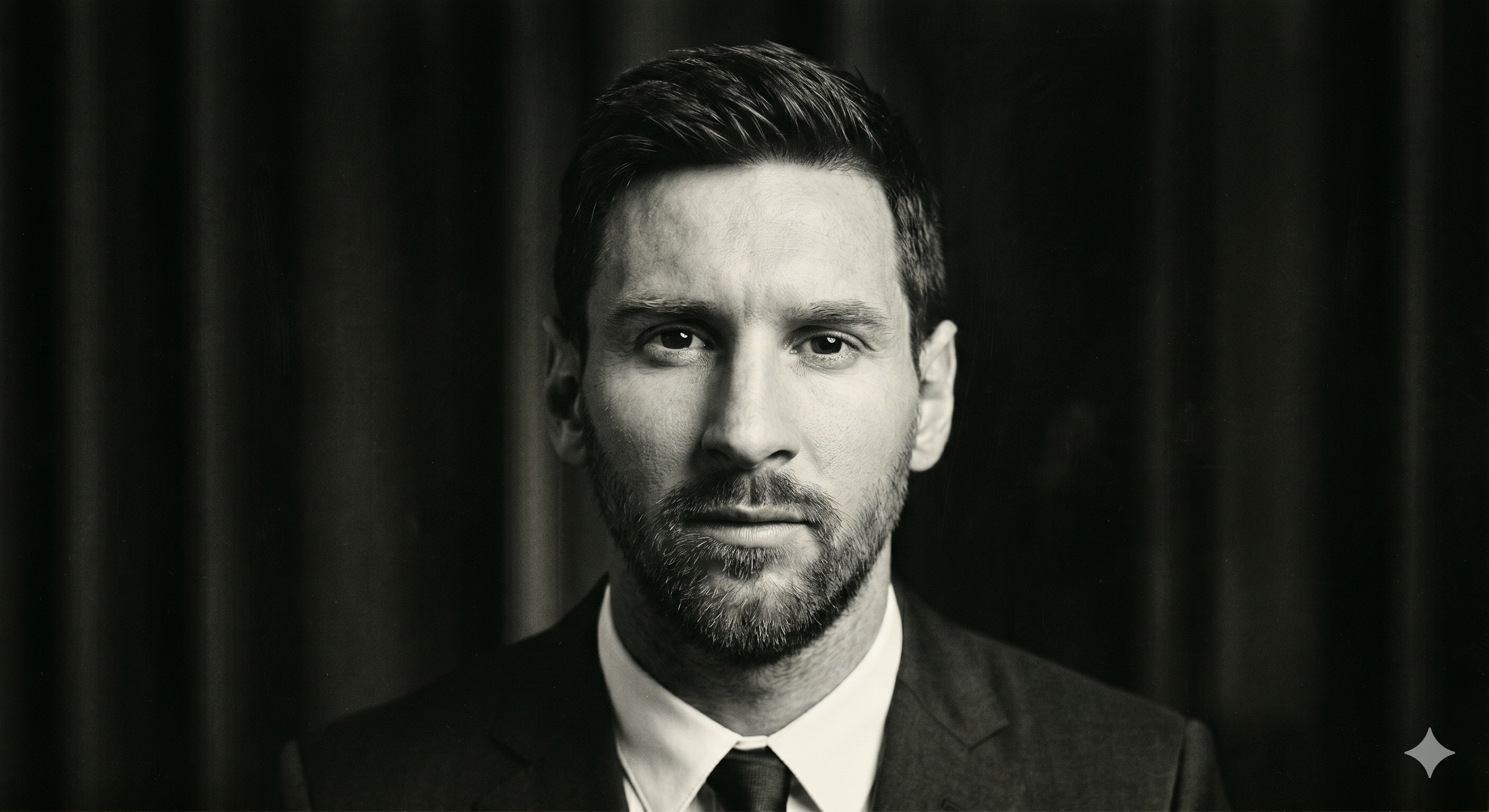
M.T. Danikkar
Apr 14, 2026
Lionel Messi Biography: Talent, Humility, and the Making of a Football Legend
Introduction Lionel Messi is widely regarded as one of the greatest footballers in history. Known for his magical dribbling, creative vision, and calm brilliance under pressure, Messi turned football into art. From a child facing medical challenges in Argentina to lifting the 2022 FIFA World Cup, his story is one of talent, resilience, and consistency. Quick Facts - Full Name: Lionel Andrés Messi Cuccitini - Born: June 24, 1987 (Rosario, Santa Fe, Argentina) - Died: N/A (Alive) - Family: Wife Antonela Roccuzzo; Children Thiago, Mateo, Ciro - Nationality: Argentinian - Field of Influence: Sports, Business - Occupation: Professional Footballer, Investor - Known For: 8 Ballon d'Or awards, World Cup 2022, Barcelona legend - Golden Era: 2008–2022 - Net Worth: Estimated hundreds of millions USD - Primary Inspiration: Family, Grandmother Celia, Brazilian Ronaldo - Famous Quote: "I start early and I stay late, day after day, year after year..." Early Life Messi was born into a working-class family in Rosario, Argentina. He began playing football at age four and quickly showed extraordinary talent. As a child, he was diagnosed with growth hormone deficiency, a condition that threatened both his physical development and football dreams. Biggest Early Struggle Medical treatment was expensive, and his family struggled financially. At age 13, Messi moved to Spain after FC Barcelona agreed to support his treatment and development. Leaving home so young became one of the biggest sacrifices of his life. Career Beginning Messi joined Barcelona’s famous academy La Masia in 2000 and made his first-team debut in 2004 at age 17. Very quickly, the football world realized a rare genius had arrived. Rise to Greatness Messi became the face of Barcelona’s golden era and dominated world football for more than a decade. Turning Points - 2004: Barcelona debut - 2009: First Ballon d'Or - 2011: Peak Barcelona dominance - 2021: Emotional departure from Barcelona - 2022: Won FIFA World Cup - 2023+: Joined Inter Miami and transformed MLS popularity Major Achievements 1. Eight Ballon d'Or Awards Most Ballon d'Or wins in history. 2. FIFA World Cup Champion (2022) Completed football’s greatest dream with Argentina. 3. Barcelona Icon All-time top scorer of FC Barcelona. 4. Champions League Success Won multiple UEFA Champions League titles. 5. International Greatness Argentina’s leading scorer and modern symbol. Golden Era Between 2008 and 2022, Messi produced historic numbers, world-class performances, and elite consistency unmatched in football history. Habits and Personality - Quiet and private lifestyle - Family-oriented - Calm under pressure - Team-first mentality - Fierce competitor on the pitch - Deeply disciplined training habits Fun Facts - First team-sport athlete to surpass $1 billion in career earnings - Strong lifelong connection to Newell's Old Boys - Known for humble personality despite global fame - Helped massively grow football in the United States Controversies Messi’s departure from Barcelona in 2021 shocked the sports world. His moves to PSG and later Inter Miami created huge debate about loyalty, legacy, and career direction. Legacy Lionel Messi is often called the GOAT because he combined elite talent with humility, longevity, and team success. He made football more creative, technical, and beautiful for an entire generation. How the World Changed Because of Messi 1. Football Became More Artistic He inspired players to value intelligence and technique over size. 2. Global Popularity Expanded Messi’s fanbase spans every continent. 3. MLS Grew Dramatically His move to Inter Miami elevated U.S. soccer globally. 4. Humility Became Powerful He proved greatness doesn’t require arrogance. Life Lessons From Messi 1. Obstacles Can Become Fuel Early health struggles did not stop him. 2. Consistency Beats Hype Greatness is built over years. 3. Stay Humble Let performance speak louder than words. 4. Talent Needs Discipline Natural gifts still require hard work. Final Verdict Lionel Messi is more than a football legend. He is proof that quiet excellence can dominate the loudest stage. From Rosario to world champion, his story is one of pure greatness.
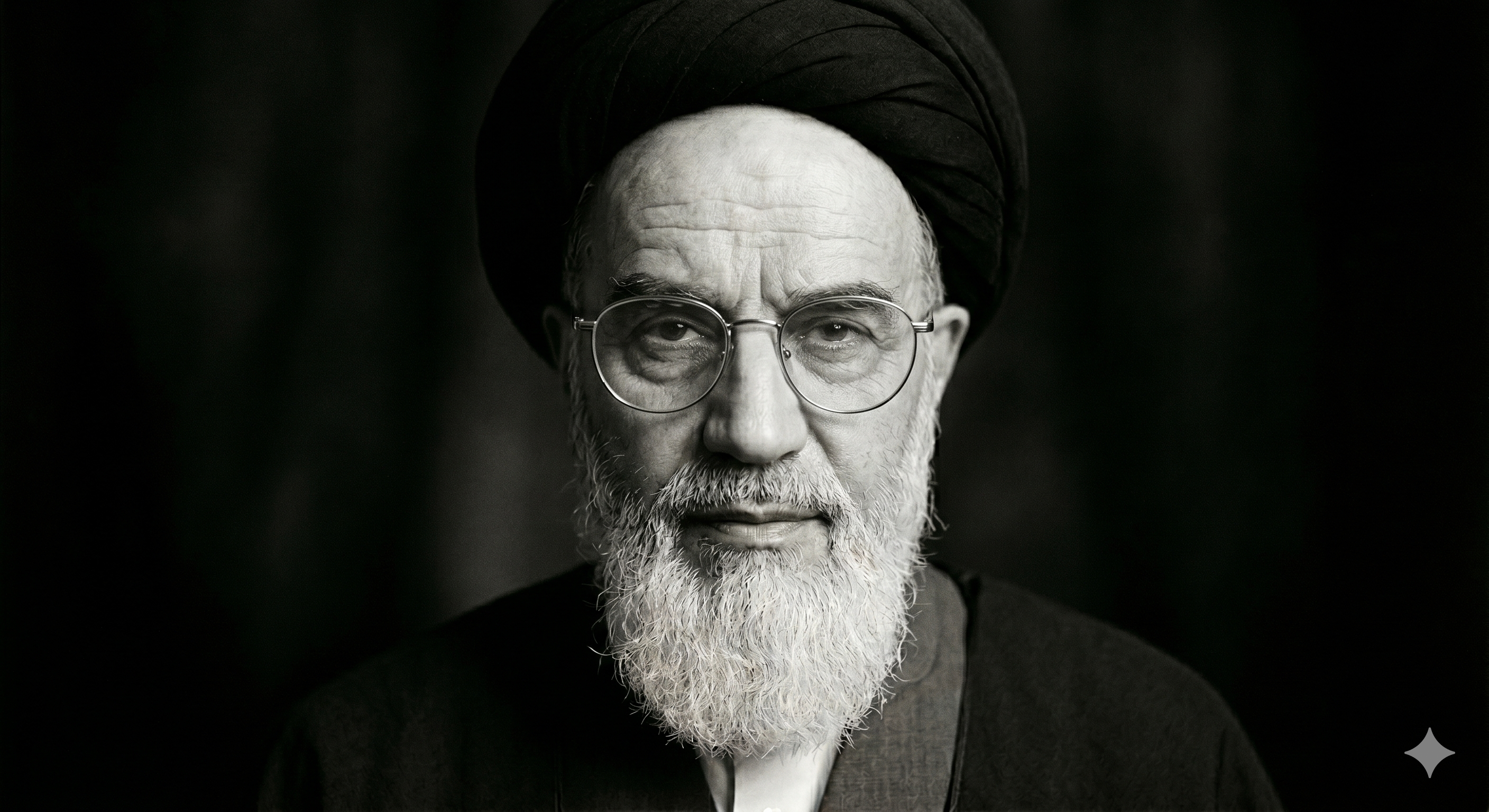
Ali Khamenei Biography: Iran’s Supreme Leader, Power, and Global Influence
M.T. Danikkar
Apr 14, 2026
Ali Khamenei Biography: Iran’s Supreme Leader, Power, and Global Influence
Introduction Ali Khamenei is one of the most powerful political and religious figures in the modern Middle East. As the Supreme Leader of Iran since 1989, he has guided the country’s political system, military strategy, and foreign policy for decades. His leadership has significantly shaped Iran’s role in global geopolitics. Quick Facts - Full Name: Sayyid Ali Hosseini Khamenei - Born: April 19, 1939 (Mashhad, Iran) - Died: 28 February 2026, Tehran, Iran - Family: Wife Mansoureh Khojasteh Bagherzadeh; Children Mostafa, Mojtaba, Mohsen, Masoud, Boshra, Hoda - Nationality: Iranian - Field of Influence: Religion, Politics, Geopolitics - Occupation: Supreme Leader of Iran, Shi'a Cleric - Known For: Supreme Leader since 1989, anti-Western foreign policy, oversight of IRGC - Golden Era: 1989–Present - Net Worth: Not Publicly Available - Primary Inspiration: Ayatollah Ruhollah Khomeini - Famous Quote: "The American government is the number one enemy of our nation." Early Life Ali Khamenei was born in Mashhad, Iran, into a religious family. His father was a respected cleric, and Khamenei was raised in an environment deeply connected to Islamic scholarship. From a young age, he was immersed in theology and religious teachings. Education He studied in the seminaries of Mashhad and Qom, two major centers of Shi'a learning. He was influenced by prominent scholars, especially Ayatollah Khomeini, whose revolutionary ideas later shaped Iran’s future. Career Beginning During the 1960s and 1970s, Khamenei opposed the rule of Shah Mohammad Reza Pahlavi. His activism led to arrests, interrogations, and exile before the 1979 Islamic Revolution. After the revolution, he quickly rose through the new political system. Rise to Power Khamenei held several important roles before becoming Supreme Leader. Key Positions - Member of Revolutionary Council - Minister of Defence - President of Iran (1981–1989) - Supreme Leader (1989–Present) Turning Point In June 1989, after the death of Ayatollah Khomeini, Khamenei was selected as Iran’s second Supreme Leader. This made him the highest authority in the country. Major Achievements 1. Consolidated Political Control Maintained the Islamic Republic’s structure after Khomeini. 2. Survived Heavy Sanctions Iran remained politically stable despite decades of international pressure. 3. Expanded Regional Influence Supported allied groups and networks across the Middle East. 4. Longest-Serving Regional Leader One of the most enduring rulers in the region. Biggest Struggles - Economic crises caused by sanctions - Domestic protest movements - Balancing reformists and hardliners - Nuclear tensions with Western powers - Regional military conflicts Habits and Personality - Disciplined and austere lifestyle - Strategic and cautious decision-maker - Prefers indirect governance through institutions - Interested in poetry, literature, and arts - Reserved public image Fun Facts - Plays the setar, a Persian instrument - Survived an assassination attempt in 1981 - Known to read literature and memoirs regularly - Has a lasting injury to his right arm Controversies Khamenei’s leadership has faced strong criticism regarding: - Human rights restrictions - Suppression of protests - Nuclear program tensions - Regional proxy conflicts - Limits on political dissent Legacy Ali Khamenei is one of the defining architects of modern Iran. His rule institutionalized clerical authority and positioned Iran as a major regional power resisting Western influence. How the World Changed Because of Khamenei 1. Iran Became a Major Regional Power Expanded influence across Lebanon, Syria, Iraq, and Yemen. 2. Middle East Politics Shifted Iran-West tensions reshaped alliances. 3. Nuclear Diplomacy Intensified Iran became central to global security discussions. 4. Political Islam Remained Influential His leadership sustained a theocratic governance model. Life Lessons From His Era 1. Ideology Can Sustain Power Strong belief systems can preserve regimes. 2. Sanctions Have Long-Term Costs Economic pressure reshapes societies deeply. 3. Institutions Matter Power often operates through networks, not personalities alone. 4. Geopolitics Shapes Daily Life International conflicts affect ordinary citizens most. Final Verdict Ali Khamenei remains one of the most influential and controversial leaders of the 21st century. His decades in power have shaped Iran internally and transformed the geopolitical balance of the Middle East.
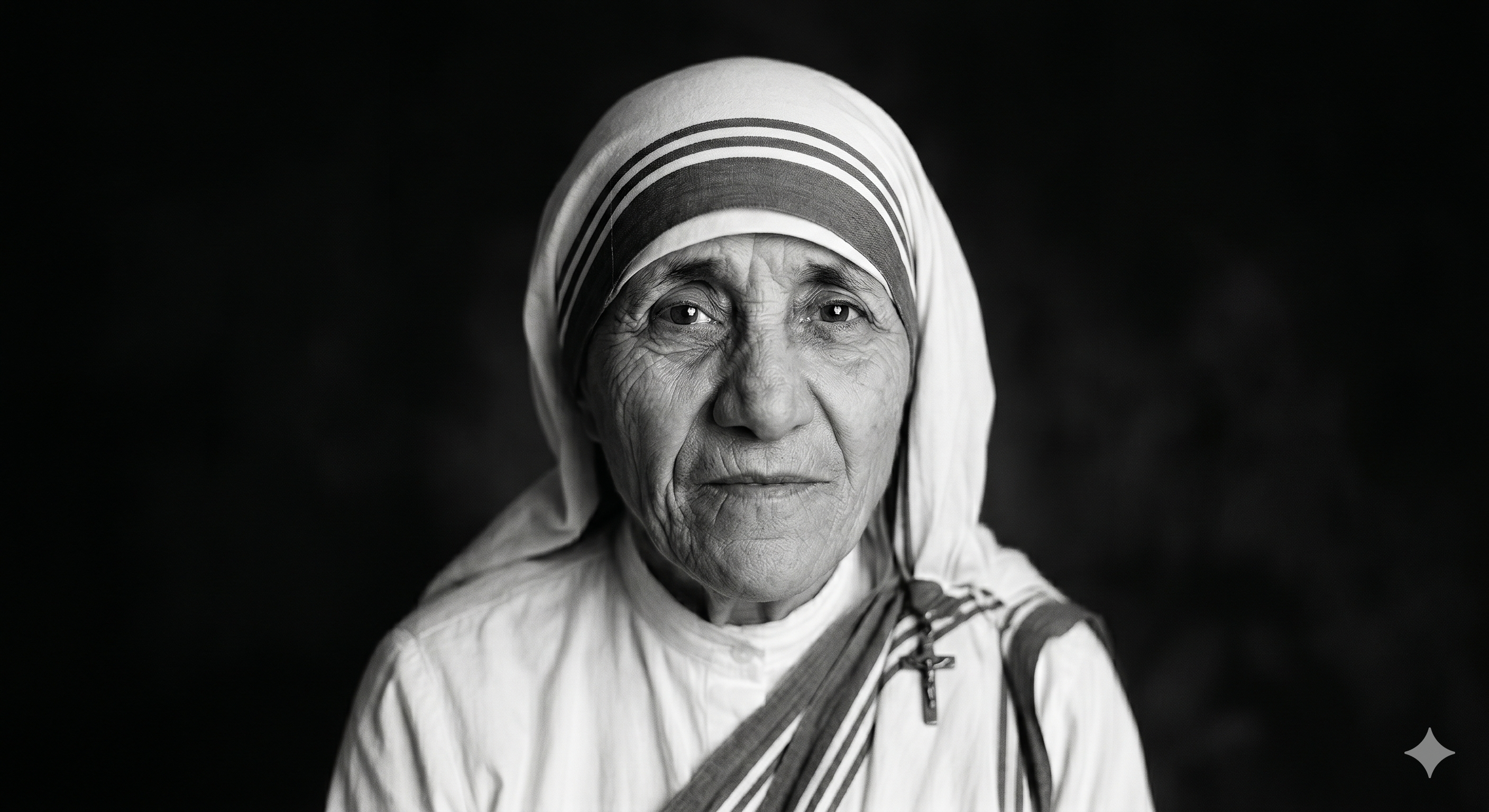
Mother Teresa Biography: Service, Compassion, and a Legacy of Helping the Poor
M.T. Danikkar
Apr 13, 2026
Mother Teresa Biography: Service, Compassion, and a Legacy of Helping the Poor
Introduction Mother Teresa, later canonized as Saint Teresa of Calcutta, was one of the most recognized humanitarian figures of the 20th century. Through a life of discipline, sacrifice, and compassion, she dedicated herself to serving the poorest and most vulnerable people in society. Her name became synonymous with kindness, charity, and selfless service. Quick Facts - Full Name: Saint Teresa of Calcutta (born Anjezë Gonxhe Bojaxhiu) - Born: August 26, 1910 (Skopje, Ottoman Empire) - Died: September 5, 1997 (Kolkata, India) - Family: Parents Nikollë and Dranafile Bojaxhiu; Siblings Aga and Lazar - Nationality: Albanian by birth, Indian by naturalization - Field of Influence: Humanitarianism, Religion, Social Welfare - Occupation: Nun, Missionary, Teacher - Known For: Missionaries of Charity, homes for poor and dying - Golden Era: 1950–1997 - Net Worth: Not Applicable (Vowed poverty) - Primary Inspiration: Jesus Christ, St. Francis of Assisi - Famous Quote: "Not all of us can do great things. But we can do small things with great love." Early Life Mother Teresa was born into a devout Catholic family in Skopje. Her father died when she was young, and her mother’s strong commitment to charity deeply influenced her. From an early age, she felt drawn toward a life of faith and service. At 18, she left home to join the Loreto Sisters in Ireland. Education She received schooling in Skopje and later trained with the Loreto Sisters in Dublin. She then moved to India and continued religious preparation in Darjeeling. Career Beginning Mother Teresa arrived in India in 1929 and began teaching at St. Teresa’s School in Kolkata. She spent nearly two decades as a teacher before a life-changing spiritual moment redirected her mission. Turning Point On September 10, 1946, during a train journey from Kolkata to Darjeeling, she experienced what she described as a "call within a call"—to leave convent life and serve the poorest of the poor directly. Rise to Greatness In 1950, she founded the Missionaries of Charity, an order dedicated to caring for abandoned, sick, homeless, and dying people. The organization expanded across the world. Major Achievements 1. Founded Missionaries of Charity Grew to thousands of sisters serving in over 100 countries. 2. Homes for the Vulnerable Created hospices, orphanages, shelters, and care centers. 3. Nobel Peace Prize (1979) Recognized globally for humanitarian work. 4. Bharat Ratna Received India’s highest civilian honor. 5. Canonized as a Saint Declared Saint Teresa of Calcutta in 2016. Biggest Struggles - Managing a rapidly growing global organization - Limited resources for overwhelming need - Administrative and church bureaucracy - Personal spiritual struggles later revealed in writings Habits and Personality - Highly disciplined routine - Humble lifestyle - Quiet but strong leadership - Deep commitment to prayer - Tireless service mentality - Wore simple white-and-blue sari always Fun Facts - Spoke multiple languages - Received over 100 honors in her lifetime - Met world leaders but maintained simplicity - Refused luxury despite fame Controversies Some critics questioned medical standards in certain homes, pain management practices, and use of donations. Debates also continue regarding her views on suffering and faith. Legacy Mother Teresa became a universal symbol of compassion. Her work inspired millions of volunteers, charities, and humanitarian organizations worldwide. Her order continues serving vulnerable communities long after her death. How the World Changed Because of Mother Teresa 1. Poverty Gained Global Attention Millions became aware of extreme suffering. 2. Service Became a Global Movement Inspired volunteers and charities worldwide. 3. Compassion Became Visible Power Showed kindness can influence nations. 4. Faith and Action Combined Demonstrated belief through practical service. Life Lessons From Mother Teresa 1. Small Acts Matter Tiny kindnesses can transform lives. 2. Serve Without Recognition Impact matters more than applause. 3. Simplicity Creates Clarity Less focus on self creates more room for others. 4. Love Is Action Care is shown through what we do daily. Final Verdict Mother Teresa was more than a nun or public figure. She became a symbol of service in a world often driven by self-interest. Her life reminds humanity that compassion, even in small acts, can change history.
Nelson Mandela Biography: The Prisoner Who Became a Global Symbol of Freedom
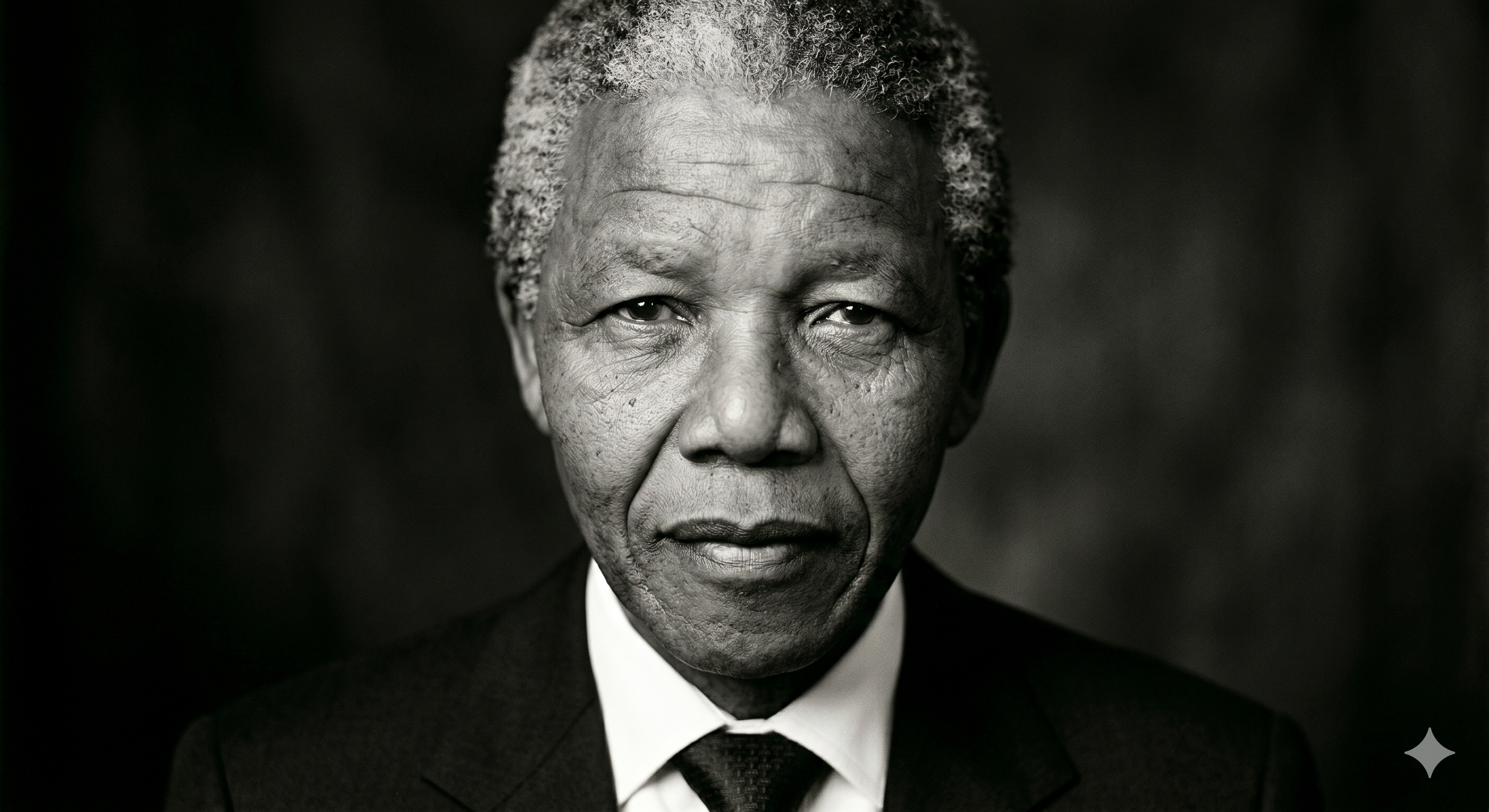
M.T. Danikkar
Apr 12, 2026
Nelson Mandela Biography: The Prisoner Who Became a Global Symbol of Freedom
Introduction Nelson Mandela was one of the most respected leaders of the modern era. After spending 27 years in prison, he emerged not with revenge, but with a message of peace, reconciliation, and democracy. He helped end apartheid in South Africa and became a worldwide symbol of justice and forgiveness. Quick Facts - Full Name: Nelson Rolihlahla Mandela - Born: July 18, 1918 (Mvezo, South Africa) - Died: December 5, 2013 (Johannesburg, South Africa) - Family: Married three times; multiple children including Zenani and Zindziswa - Nationality: South African - Field of Influence: Civil Rights, Politics, Justice, Diplomacy - Occupation: Lawyer, Activist, President, Philanthropist - Known For: Ending apartheid, 27 years imprisonment, first Black President of South Africa - Golden Era: 1990–1999 - Net Worth: Estate valued around $4.1 million at death - Primary Inspiration: Liberation, equality, education, mentors like Walter Sisulu - Famous Quote: "Education is the most powerful weapon which you can use to change the world." Early Life Mandela was born into the Madiba clan and was originally expected to follow traditional leadership pathways. Instead, exposure to injustice and racial inequality led him toward activism. His birth name Rolihlahla is often translated as "troublemaker." Education He studied at the University of Fort Hare and later the University of the Witwatersrand. Even while imprisoned, Mandela continued studying law and encouraged others to do the same. Career Beginning Mandela worked as a clerk and later became a lawyer in Johannesburg. In 1952, he and Oliver Tambo opened South Africa’s first Black law firm, helping people harmed by apartheid laws. Rise to Resistance As apartheid oppression intensified, Mandela became a leading figure in the African National Congress (ANC). He later helped form the ANC’s armed wing after peaceful methods repeatedly failed. Turning Point The Rivonia Trial (1964) brought international attention to Mandela and the anti-apartheid struggle. He was sentenced to life imprisonment. 27 Years in Prison Mandela spent most of his prison years on Robben Island under harsh conditions. Despite imprisonment, he became the moral face of resistance worldwide. Major Achievements 1. Ended Apartheid Played a central role in dismantling racial segregation. 2. First Black President Became South Africa’s first democratically elected Black president in 1994. 3. Truth and Reconciliation Commission Helped address past abuses without full-scale revenge. 4. Nobel Peace Prize Shared the 1993 Nobel Peace Prize. Biggest Struggles - 27 years imprisonment - Separation from family - Death of his son while imprisoned - Managing racial tensions during transition - Balancing justice with peace Habits and Personality - Highly disciplined routine - Calm under pressure - Deep humility - Exceptional listening skills - Powerful emotional control - Respectful even toward opponents Fun Facts - Enjoyed boxing in youth - Became an artist later in life - Strong advocate for HIV/AIDS awareness - Known affectionately as Madiba Controversies Mandela was once labeled a terrorist by apartheid authorities and some foreign governments due to militant resistance. Later, some critics argued he was too forgiving toward former oppressors. Legacy Mandela became a moral giant of the 20th century. He proved that justice and reconciliation can coexist, and that leadership can heal nations. He helped build the vision of a Rainbow Nation. How the World Changed Because of Mandela 1. Apartheid Fell One of history’s most notorious racist systems ended. 2. Peaceful Transition Became Possible Civil war was avoided. 3. Human Rights Leadership Expanded Mandela inspired global democracy movements. 4. Forgiveness Became Political Power He showed mercy can be strategic strength. Life Lessons From Nelson Mandela 1. Courage Is Acting Despite Fear Bravery does not require fearlessness. 2. Education Changes Futures Knowledge empowers generations. 3. Forgiveness Can Free Nations Resentment traps both sides. 4. Great Leaders Create More Leaders Power should uplift others. Final Verdict Nelson Mandela was more than a president—he was a symbol of dignity, endurance, and hope. His life proved that even after decades of injustice, a nation can choose peace over revenge.