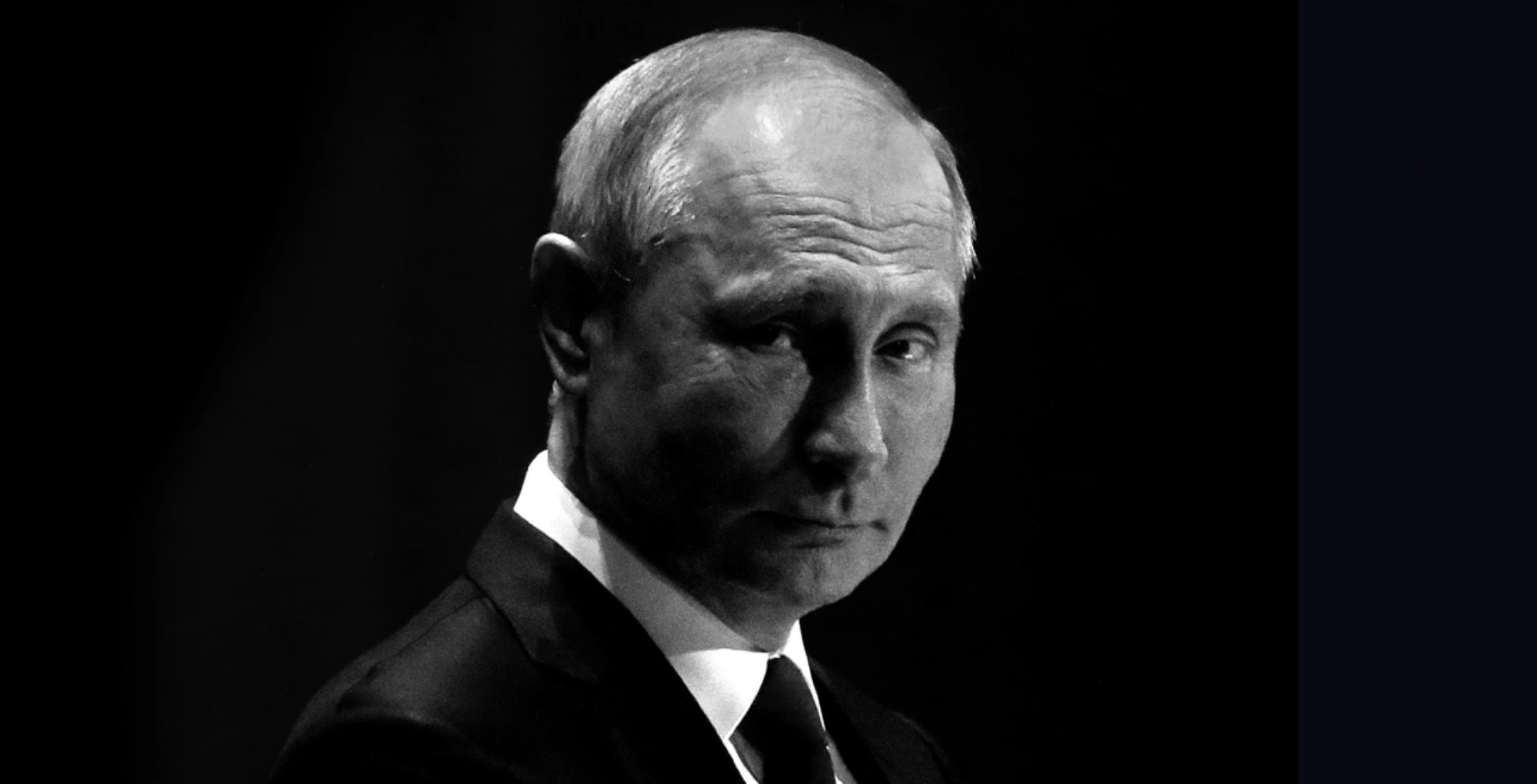
Vladimir Putin is one of the most influential and controversial political leaders of the 21st century. As Russia’s dominant leader for decades, he reshaped the country’s political system, strengthened central authority, and reasserted Russia as a major global power.
His rule has deeply affected world politics, European security, and international relations.
Quick Facts
Full Name: Vladimir Vladimirovich Putin
Born: October 7, 1952 (Leningrad, Soviet Union)
Died: N/A (Alive)
Family: Ex-wife Lyudmila Shkrebneva; Daughters Maria Vorontsova and Katerina Tikhonova
Nationality: Russian
Field of Influence: Politics, Security, Geopolitics
Occupation: President of Russia, Former Prime Minister, Former Intelligence Officer
Known For: Long-term leadership of Russia, centralized power, Ukraine war
Golden Era: 2000–Present
Net Worth: Publicly unclear and widely disputed
Primary Inspiration: Russian state power, historical leadership models
Famous Quote: "The collapse of the Soviet Union was a major geopolitical disaster of the century."
Early Life
Putin was raised in a communal apartment in post-war Leningrad. His early years were shaped by the hardships left by World War II.
He became involved in judo and sambo, disciplines that remained central to his image and personal philosophy.
Education
He studied law at Leningrad State University, graduating in 1975.
Soon after, he entered the KGB, the Soviet intelligence service.
Career Beginning
Putin served as a KGB officer for many years, including time in Dresden, East Germany.
After the Soviet Union collapsed, he moved into politics in Saint Petersburg under reformist mayor Anatoly Sobchak.
Rise to Power
Putin’s national rise accelerated in the late 1990s.
Turning Point
Following unrest, war in Chechnya, and Boris Yeltsin’s resignation, Putin became Acting President in 1999 and was elected president in 2000.
He quickly projected a strongman image.
Major Achievements
1. Centralized State Authority
Reduced regional fragmentation and strengthened the federal government.
2. Economic Stabilization
Russia saw significant growth in the early 2000s, supported by high energy prices.
3. Military Modernization
Rebuilt military capacity and strategic influence.
4. Global Relevance
Repositioned Russia as a major player in world affairs.
Biggest Struggles
Western sanctions
Economic volatility tied to energy prices
Domestic protests
Demographic and governance challenges
International isolation after major conflicts
Habits and Personality
Disciplined and reserved
Highly strategic
Security-focused mindset
Careful communicator
Values control and loyalty
Maintains strongman public image
Fun Facts
Black belt in judo
Co-authored books on martial arts
Known for staged adventure-style public appearances
Very private regarding personal life
Controversies
Putin’s tenure has been heavily criticized over:
Limits on political opposition
Media restrictions
Alleged electoral manipulation
Poisoning or deaths of critics
2022 invasion of Ukraine
ICC arrest warrant related to war crimes allegations
Legacy
Putin’s legacy is still unfolding. Supporters credit him with restoring Russian strength and stability. Critics argue he weakened democratic institutions and increased confrontation with the West.
How the World Changed Because of Putin
1. Great-Power Rivalry Returned
Global politics moved away from post-Cold War optimism.
2. Europe’s Security Order Shifted
Defense policy and alliances changed significantly.
3. New Global Blocs Emerged
Russia moved closer to China, Iran, and others.
4. Energy Politics Intensified
Global markets were affected by geopolitical conflict.
Life Lessons From His Era
1. Power Concentrates Fast
Institutions matter when authority centralizes.
2. History Shapes Politics
Past grievances influence present policy.
3. Geopolitics Has Real Costs
Wars and sanctions affect millions of civilians.
4. Leadership Can Redefine Nations
Long rule leaves deep structural impact.
Final Verdict
Vladimir Putin remains one of the defining leaders of the modern age. Whether viewed as strategist or authoritarian ruler, his decisions reshaped Russia and changed the global balance of power.
Free Download
Get The 2026 Tech Career Roadmap
A free PDF guide — the skills, salaries, and strategies to level up your tech career in 2026.
Drop your email and we'll send it straight to your inbox.