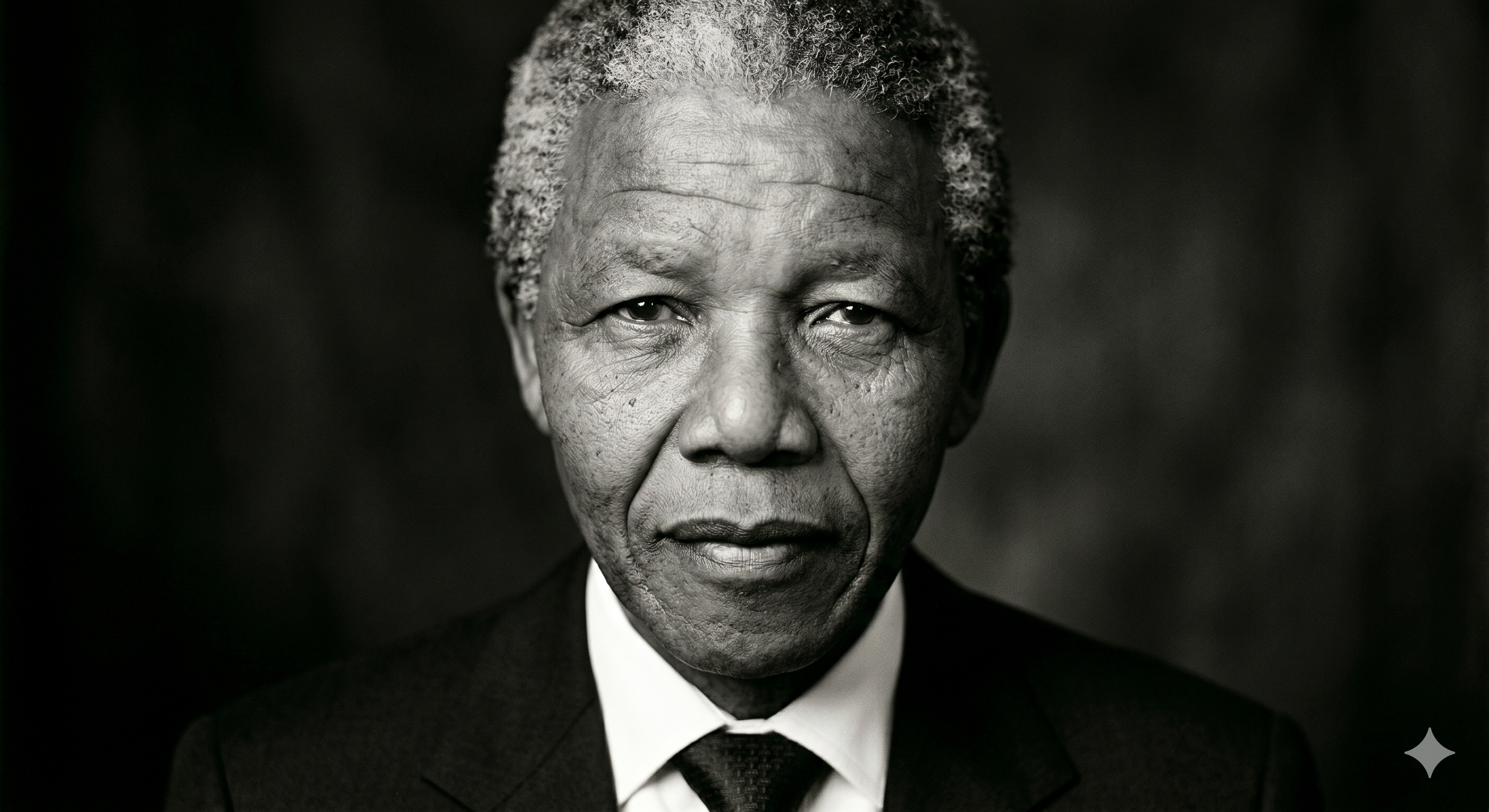
Nelson Mandela was one of the most respected leaders of the modern era. After spending 27 years in prison, he emerged not with revenge, but with a message of peace, reconciliation, and democracy. He helped end apartheid in South Africa and became a worldwide symbol of justice and forgiveness.
Quick Facts
Full Name: Nelson Rolihlahla Mandela
Born: July 18, 1918 (Mvezo, South Africa)
Died: December 5, 2013 (Johannesburg, South Africa)
Family: Married three times; multiple children including Zenani and Zindziswa
Nationality: South African
Field of Influence: Civil Rights, Politics, Justice, Diplomacy
Known For: Ending apartheid, 27 years imprisonment, first Black President of South Africa
Golden Era: 1990–1999
Net Worth: Estate valued around $4.1 million at death
Primary Inspiration: Liberation, equality, education, mentors like Walter Sisulu
Famous Quote: "Education is the most powerful weapon which you can use to change the world."
Early Life
Mandela was born into the Madiba clan and was originally expected to follow traditional leadership pathways.
Instead, exposure to injustice and racial inequality led him toward activism.
His birth name Rolihlahla is often translated as "troublemaker."
Education
He studied at the University of Fort Hare and later the University of the Witwatersrand.
Even while imprisoned, Mandela continued studying law and encouraged others to do the same.
Career Beginning
Mandela worked as a clerk and later became a lawyer in Johannesburg.
In 1952, he and Oliver Tambo opened South Africa’s first Black law firm, helping people harmed by apartheid laws.
Rise to Resistance
As apartheid oppression intensified, Mandela became a leading figure in the African National Congress (ANC).
He later helped form the ANC’s armed wing after peaceful methods repeatedly failed.
Turning Point
The Rivonia Trial (1964) brought international attention to Mandela and the anti-apartheid struggle.
He was sentenced to life imprisonment.
27 Years in Prison
Mandela spent most of his prison years on Robben Island under harsh conditions.
Despite imprisonment, he became the moral face of resistance worldwide.
Major Achievements
1. Ended Apartheid
Played a central role in dismantling racial segregation.
2. First Black President
Became South Africa’s first democratically elected Black president in 1994.
3. Truth and Reconciliation Commission
Helped address past abuses without full-scale revenge.
4. Nobel Peace Prize
Shared the 1993 Nobel Peace Prize.
Biggest Struggles
27 years imprisonment
Separation from family
Death of his son while imprisoned
Managing racial tensions during transition
Balancing justice with peace
Habits and Personality
Highly disciplined routine
Calm under pressure
Deep humility
Exceptional listening skills
Powerful emotional control
Respectful even toward opponents
Fun Facts
Enjoyed boxing in youth
Became an artist later in life
Strong advocate for HIV/AIDS awareness
Known affectionately as Madiba
Controversies
Mandela was once labeled a terrorist by apartheid authorities and some foreign governments due to militant resistance. Later, some critics argued he was too forgiving toward former oppressors.
Legacy
Mandela became a moral giant of the 20th century. He proved that justice and reconciliation can coexist, and that leadership can heal nations.
He helped build the vision of a Rainbow Nation.
How the World Changed Because of Mandela
1. Apartheid Fell
One of history’s most notorious racist systems ended.
2. Peaceful Transition Became Possible
Civil war was avoided.
3. Human Rights Leadership Expanded
Mandela inspired global democracy movements.
4. Forgiveness Became Political Power
He showed mercy can be strategic strength.
Life Lessons From Nelson Mandela
1. Courage Is Acting Despite Fear
Bravery does not require fearlessness.
2. Education Changes Futures
Knowledge empowers generations.
3. Forgiveness Can Free Nations
Resentment traps both sides.
4. Great Leaders Create More Leaders
Power should uplift others.
Final Verdict
Nelson Mandela was more than a president—he was a symbol of dignity, endurance, and hope. His life proved that even after decades of injustice, a nation can choose peace over revenge.
Free Download
Get The 2026 Tech Career Roadmap
A free PDF guide — the skills, salaries, and strategies to level up your tech career in 2026.
Drop your email and we'll send it straight to your inbox.