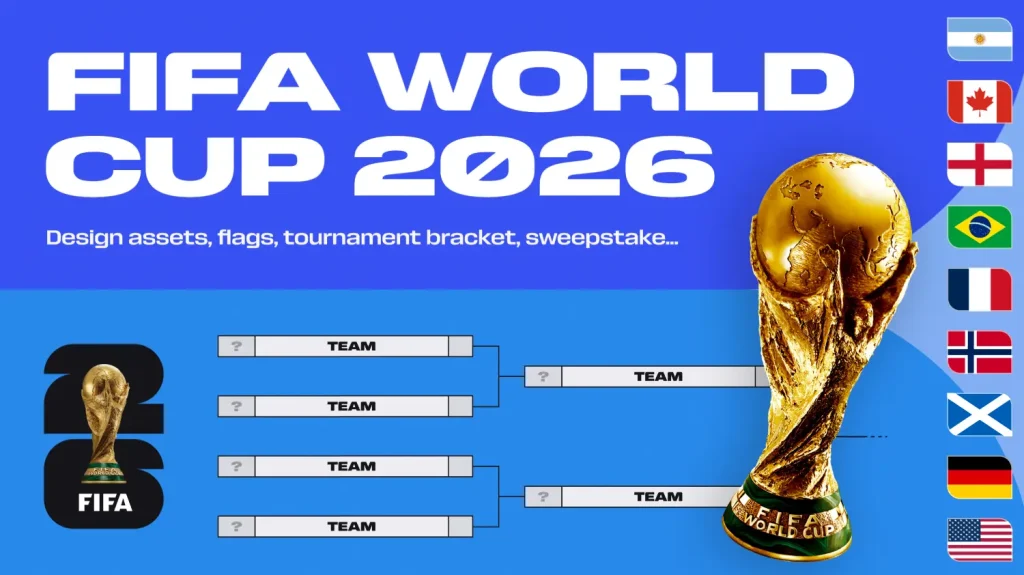
For the first time in history, the FIFA World Cup is being co-hosted across three countries — the United States, Canada, and Mexico. It's the largest World Cup ever assembled: 48 teams, 104 matches, and 16 host cities spread across a continent, all chasing the same trophy that has defined national pride for nearly a century.
This isn't just an expansion of a tournament. It's a reinvention of what a "World Cup" even means logistically, culturally, and commercially.
Since 1998, the World Cup ran with 32 teams. The jump to 48 teams reshapes everything — group stages, travel logistics, and the sheer physical toll on players who now face a longer road to the final. Critics worry about diluted quality in early rounds; supporters argue it gives smaller footballing nations a genuine shot at the global stage for the first time.
Either way, more countries means more storylines, more fanbases glued to their screens, and more record-breaking viewership numbers than any prior tournament.
Sponsorship deals, broadcast rights, and ticket sales for this tournament dwarf every previous edition. Host cities from Los Angeles to Toronto to Mexico City have spent years — and billions of dollars — upgrading stadiums, transit systems, and hospitality infrastructure.
"This tournament isn't just a sporting event anymore. It's the single largest coordinated tourism and media event in modern history." — Sports Business Journal
Whether you're a lifelong football fanatic or someone who only tunes in every four years, this World Cup is engineered to be inescapable. The world isn't just watching football right now — it's watching history reshape the sport's biggest stage.
A free PDF guide — the skills, salaries, and strategies to level up your tech career in 2026.
Drop your email and we'll send it straight to your inbox.
Want daily updates on blogs & world news?
Join Our Telegram GroupRead Story