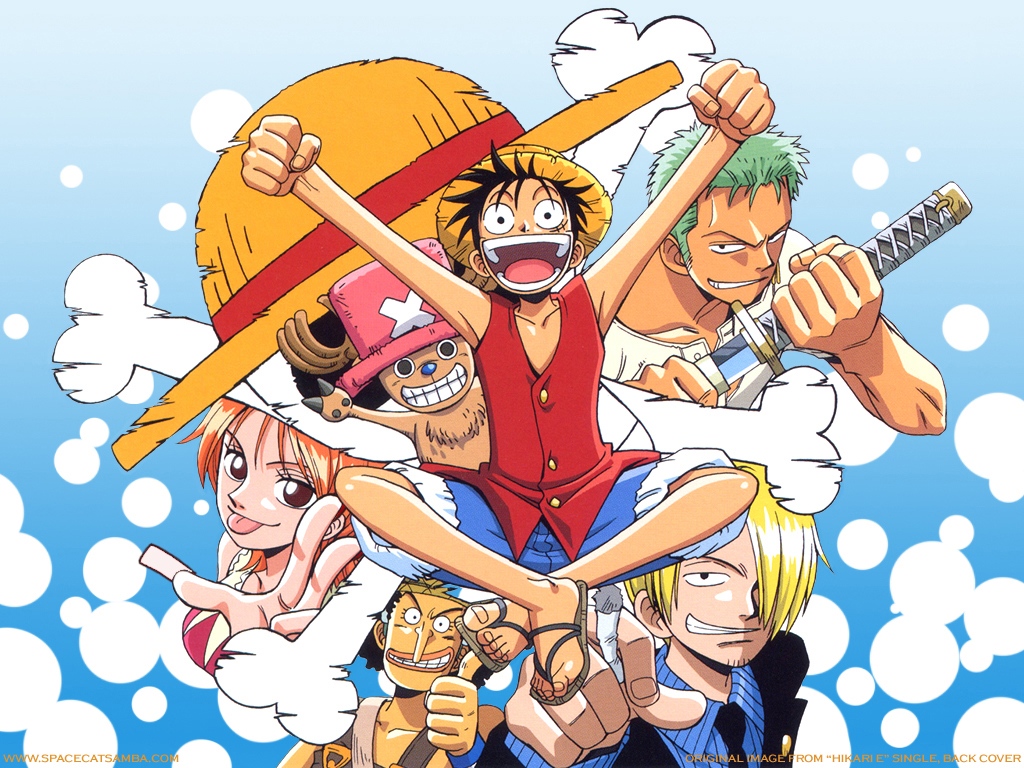
When Netflix announced a live-action adaptation of One Piece — Eiichiro Oda's sprawling, 1,100+ chapter manga epic beloved by hundreds of millions worldwide — the reaction was near-universal dread.
And who could blame the fans? Live-action anime adaptations had a catastrophic track record. Dragonball Evolution was an insult. Death Note (2017) was a disaster. lasted one season before cancellation. The pattern was clear: Hollywood didn't understand anime, couldn't translate its tone, and shouldn't keep trying.
Cowboy Bebop
Then Season 1 of One Piece dropped in August 2023 — and broke every expectation.
92% on Rotten Tomatoes. The most-watched Netflix debut of the year in multiple countries. A show that captured the whimsy, heart, and adventure of Oda's world while translating it into something that worked for audiences who'd never read a single chapter of manga.
Iñaki Godoy's Luffy was joyful, charismatic, and utterly believable as a rubber-bodied pirate with the emotional range of a golden retriever and the determination of a freight train. The East Blue Saga — Baratie, Arlong Park, the crew's assembly — was handled with genuine respect for the source material.
Now Season 2 is coming. And the source material it's adapting is where One Piece transforms from a great adventure story into a masterpiece.
The Alabasta Saga: Where One Piece Gets Serious
Season 2 is expected to cover the Alabasta Saga — a massive story arc that includes Whiskey Peak, Little Garden, Drum Island, and culminates in the Alabasta arc itself. This is the stretch of One Piece that converts casual readers into lifelong fans, and it's where the story's emotional and thematic ambitions explode.
Here's what audiences are in for:
Tony Tony Chopper. The crew's doctor — a reindeer who ate a Devil Fruit and gained human intelligence — is one of the most beloved characters in all of anime and manga. His backstory with Dr. Hiriluk is considered among the greatest origin stories Oda has ever written. If Netflix nails Chopper's introduction — the blend of comedy, tragedy, and warmth — Season 2 could produce some of the most emotionally devastating scenes in streaming TV.
The challenge: Chopper is a talking reindeer. He'll almost certainly be CGI. If the execution looks cheap or uncanny, it undermines everything. Early reports suggest Netflix has invested heavily in making Chopper feel tactile and real — but this is the highest-stakes visual effects challenge of the season.
Nico Robin and Crocodile. The Alabasta arc introduces two of the series' most important characters. Crocodile — a Warlord of the Sea who controls sand itself — is the first truly terrifying villain of the series. Unlike the East Blue villains, Crocodile is intelligent, patient, politically powerful, and effectively invincible in direct combat.
Robin, initially presented as Crocodile's enigmatic partner, becomes one of the most complex and heartbreaking characters in the entire series. Her story won't fully pay off until later arcs, but the groundwork laid in Alabasta is essential.
Princess Vivi and the weight of leadership. Vivi's arc — a princess who infiltrated a criminal organization to save her country, now forced to watch her nation tear itself apart — is a story about the cost of leadership, the limits of individual heroism, and the terrible reality that sometimes saving everyone isn't possible. It's One Piece at its most politically and emotionally mature.
"Alabasta is where One Piece stops being about pirates finding treasure and starts being about people fighting for what they believe in — even when fighting isn't enough." — Tekking101, One Piece analysis
The Production Challenge
Season 1 reportedly cost over $18 million per episode — making it one of the most expensive TV productions ever. Season 2 is expected to match or exceed that budget, and it needs to.
The Alabasta Saga demands:
Desert warfare on a massive scale — thousands of soldiers, a collapsing palace, a sandstorm that threatens to destroy an entire city
Complex Devil Fruit powers — Crocodile's sand abilities, Chopper's transformations, Mr. 2 Bon Clay's face-swapping, and more
Diverse, expansive sets — from the frozen peaks of Drum Island to the ancient desert kingdom of Alabasta, Season 2 spans radically different environments
Emotional range — slapstick comedy, political intrigue, devastating backstories, and a climactic battle that must feel earned
The Russos' AGBO production company is involved, and showrunners Matt Owens and Steven Maeda have consistently demonstrated deep respect for the source material. Eiichiro Oda himself remains an executive producer with meaningful creative control.
Why One Piece Matters Now
One Piece has been running since 1997. The manga has over 500 million copies in circulation — the best-selling manga of all time, surpassing even Dragon Ball. But for decades, it was niche in the West — too long, too weird, too Japanese for mainstream penetration.
The Netflix series changed that overnight. Suddenly, people who'd never heard of the Grand Line were binging the show, diving into the manga, and discovering one of the richest fictional universes ever created.
Season 2 has the opportunity to do what no anime adaptation has ever done: take a Japanese story and make it a global, mainstream, multi-season phenomenon — not by Westernizing it, but by trusting the material.
If they pull it off, this isn't just good TV. It's a paradigm shift in how the world consumes Japanese storytelling.
What to Do Before Season 2
Watch Season 1 (8 episodes on Netflix) — essential
Read chapters 101-217 of the manga — for the full, unabridged Alabasta experience
Watch the anime (episodes 62-130) — if you want the animated version
Prepare tissues for Chopper's backstory — you've been warned
The Straw Hats are heading to the Grand Line. Nothing will ever be the same.
Free Download
Get The 2026 Tech Career Roadmap
A free PDF guide — the skills, salaries, and strategies to level up your tech career in 2026.
Drop your email and we'll send it straight to your inbox.