Imagine you're a wheat farmer in ancient Mesopotamia. You need a new axe. The axe maker needs wool. The wool herder needs pottery. The potter needs wheat — but not from you, because she already has enough.
This is the double coincidence of wants — the requirement that, in a barter economy, each party must have exactly what the other wants at exactly the right time. It's an absurdly inefficient system, and for most of human history, it was the only system available.
Money solved this problem by creating a shared medium of exchange — something everyone would accept, regardless of what they actually needed.
But what counts as money has changed dramatically, and each transformation tells us something about what humans truly value.
The First Currencies (9000 BCE – 600 BCE)
The earliest forms of money weren't coins or paper. They were objects that communities collectively agreed had value:
Cowrie shells served as currency across Africa, South Asia, and East Asia for over 4,000 years. They were durable, portable, difficult to counterfeit (each shell is unique), and beautiful.
Cattle were money in ancient Ireland, Rome, and parts of Africa. The Latin word pecunia (money) derives from pecus (cattle). A person's wealth was literally counted in heads.
Salt was so valuable in the ancient world that Roman soldiers were partially paid in it — the origin of the word "salary" (from salarium).
Grain functioned as currency in ancient Egypt. Farmers deposited grain in state warehouses and received receipts that could be traded — arguably the first banking system.
The pattern is consistent: anything that is scarce, durable, divisible, portable, and universally desired can function as money.
The Coin Revolution (600 BCE)
The first standardized coins were minted in Lydia (modern Turkey) around 600 BCE, stamped from electrum — a natural alloy of gold and silver. King Alyattes' coins bore a lion's head, certifying their weight and purity.
This was revolutionary. For the first time, you didn't need to weigh or test the metal. The king's stamp was a guarantee — an early form of institutional trust.
Coins spread rapidly across the ancient world. Athens, Rome, Persia, China, and India all developed sophisticated coinage systems. Money was becoming abstract — it was no longer about the inherent utility of the object, but about the trust placed in its issuer.
Paper Money and the Power of Promise (7th Century CE)
China invented paper money during the Tang Dynasty (618–907 CE), though it became widespread during the Song Dynasty. Called jiaozi, these were promissory notes — certificates that could be redeemed for coin.
Paper money had obvious advantages: it was lighter, easier to produce in large quantities, and could represent any value. But it introduced a fundamental vulnerability: inflation. If the government could print money, what stopped it from printing too much?
The Mongol Yuan Dynasty found out the hard way. Kublai Khan's aggressive printing of paper currency without sufficient coin reserves led to rampant inflation and contributed to the dynasty's collapse.
This tension — between the convenience of printed money and the temptation to create too much of it — would echo through every century that followed.
The Gold Standard and Its Collapse (1717 – 1971)
In 1717, Sir Isaac Newton (then Master of the Royal Mint) inadvertently established the gold standard by setting a fixed price for gold in British pounds. By the 19th century, most major economies had followed, tying their currencies to gold reserves.
The system provided stability but was inflexible. During crises — wars, depressions — governments needed to spend more than their gold reserves permitted.
On August 15, 1971, President Richard Nixon severed the US dollar's link to gold entirely. Money was now fiat — valuable because the government declared it so and because people trusted that declaration.
The Digital Transformation (1990s – Present)
Today, over 92% of the world's money exists only as digital entries in bank databases. Physical currency — coins and paper bills — represents a small and shrinking fraction.
Credit cards, wire transfers, mobile payments, and online banking have made money increasingly invisible. You can spend, earn, save, and invest without ever touching a physical object.
And then came cryptocurrency.
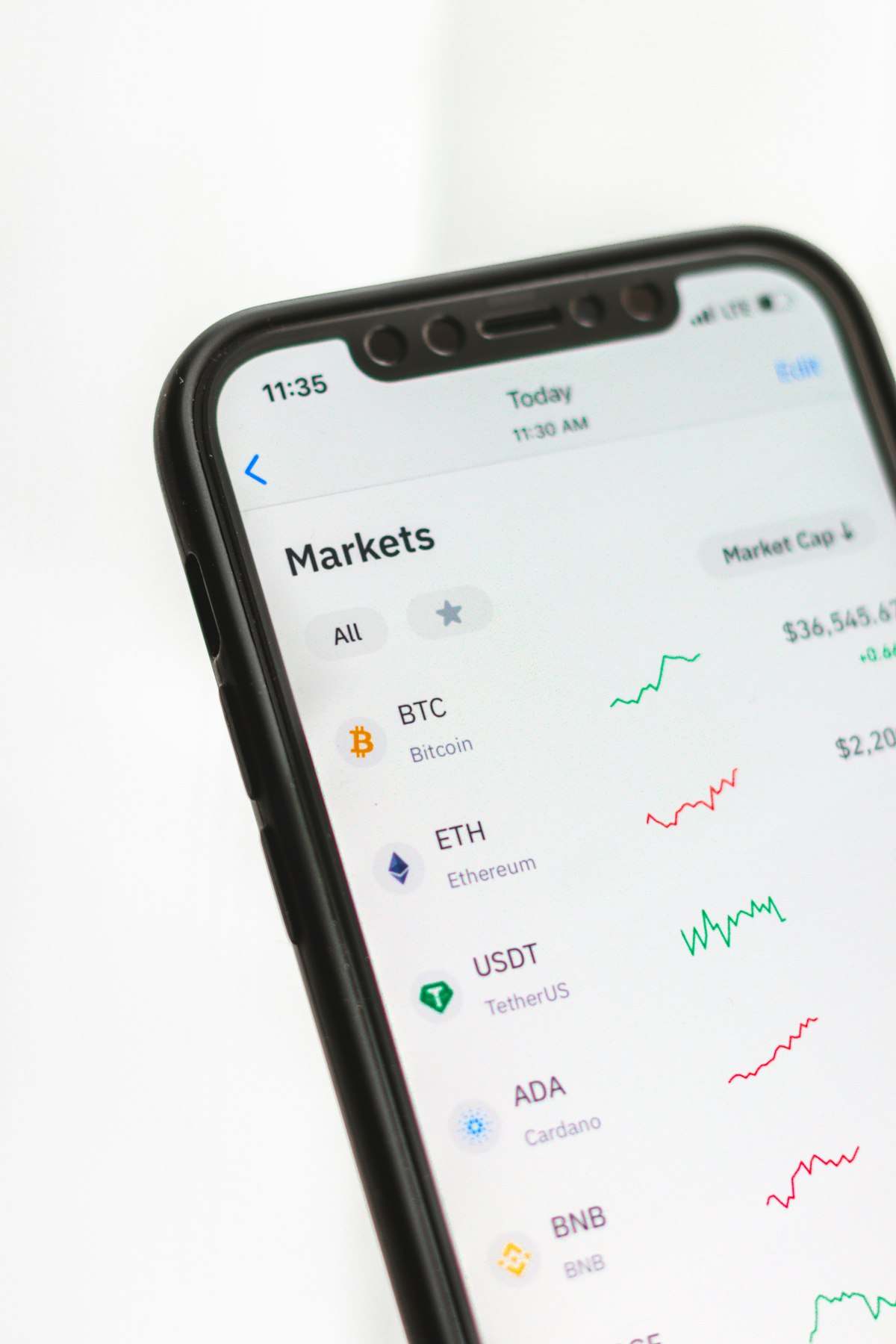
In 2008, an anonymous figure called Satoshi Nakamoto published a paper proposing Bitcoin — a decentralized digital currency secured by cryptography and maintained by a distributed network instead of a central bank.
Bitcoin's innovation wasn't digital money (that already existed). It was the elimination of trusted intermediaries. For the first time, two strangers could transfer value without a bank, government, or payment processor between them.
What Money Actually Is
After 10,000 years, money is still the same thing it's always been: a shared story about value.
Cowrie shells worked because communities agreed they were valuable. Dollars work because nations agree they are. Bitcoin works because its network agrees it is.
The medium changes. The underlying mechanism — collective trust — never does.
Free Download
Get The 2026 Tech Career Roadmap
A free PDF guide — the skills, salaries, and strategies to level up your tech career in 2026.
Drop your email and we'll send it straight to your inbox.