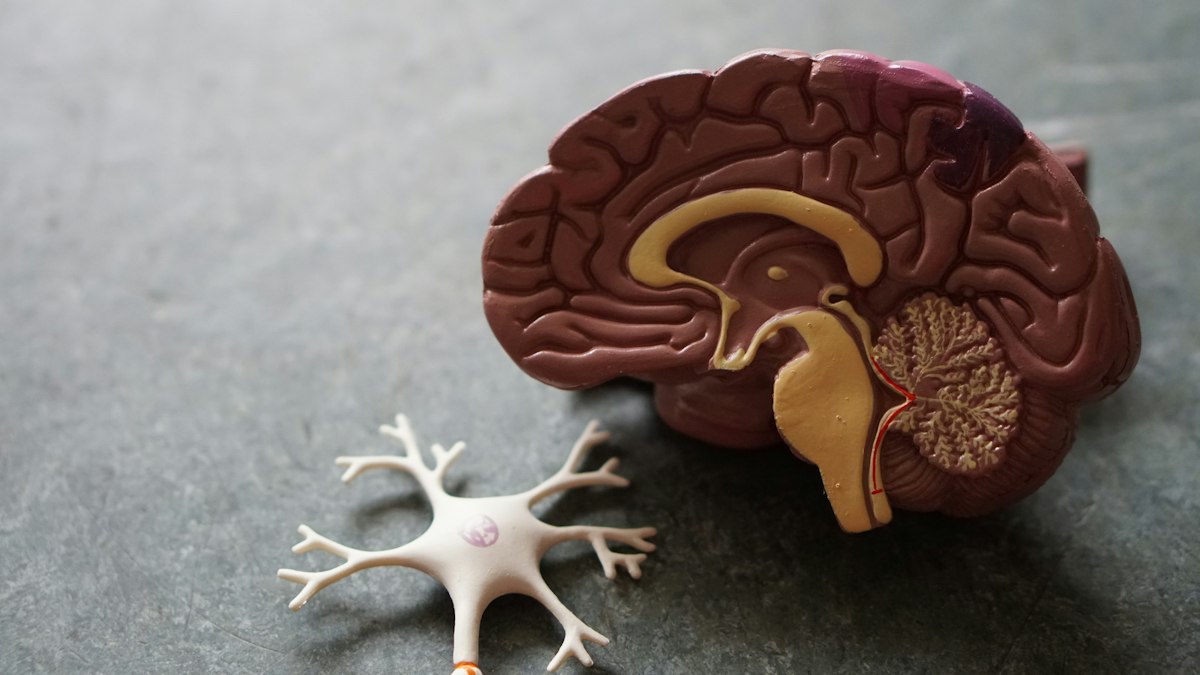
For most of the 20th century, neuroscience operated under a grim assumption: the adult brain was fixed. You were born with a certain number of neurons, they wired themselves during childhood, and after adolescence, the structure was essentially set. Learning might slow. Recovery from injury would be limited. Decline was inevitable.
This belief was called the static brain doctrine, and it dominated neuroscience for nearly a century.
It was wrong.
The Discovery That Changed Everything
In the 1960s, neuroscientist Michael Merzenich began a series of experiments on owl monkeys that would overturn decades of dogma. He severed a nerve in a monkey's hand and then mapped the brain's somatosensory cortex — the region that processes touch.
What he found was astonishing. The brain region that had previously responded to the severed nerve didn't simply go dark. Within weeks, neighboring brain regions had expanded to take over the unused territory. The brain had reorganized itself.
Merzenich coined the term neuroplasticity — the brain's ability to physically restructure itself in response to experience, learning, and injury — throughout the entire lifespan.
"The brain is not a computer that simply runs pre-installed programs. It is a living organ that physically reshapes itself based on what you do, what you think, and what you pay attention to." — Norman Doidge, The Brain That Changes Itself
How Neuroplasticity Works
Synaptic Plasticity
Every thought, movement, and sensation you experience activates specific neural pathways — chains of neurons connected by synapses. When a pathway is activated repeatedly, the synapses along it become stronger and more efficient. Neuroscientists summarize this as Hebb's Rule: "Neurons that fire together wire together."
Conversely, pathways that aren't used weaken and eventually get pruned — a process called synaptic pruning. Your brain is constantly reinforcing the circuits you use and dismantling the ones you don't.
Neurogenesis
Perhaps even more remarkable: the adult brain grows new neurons. The hippocampus — critical for memory and learning — generates new neurons throughout life, a process called adult neurogenesis.
Research by Fred Gage at the Salk Institute demonstrated that aerobic exercise, learning new skills, and environmental enrichment all increase the rate of neurogenesis. Conversely, chronic stress, sleep deprivation, and social isolation suppress it.
What This Means Practically
1. Learning has no expiration date. The 60-year-old who starts learning piano is building new neural pathways just as a child does — perhaps more slowly, but no less genuinely. The brain doesn't stop growing; it just needs the right stimulation.
2. Habits are physical structures. Every habit you have — checking your phone, biting your nails, going for a morning run — corresponds to a reinforced neural pathway. Changing a habit isn't just a matter of willpower; it's a matter of building a new pathway and allowing the old one to weaken through disuse.
3. Attention shapes your brain. The brain disproportionately reinforces circuits that receive focused attention. This is why mindfulness meditation physically thickens the prefrontal cortex (associated with decision-making and self-regulation) and reduces volume in the amygdala (associated with fear and stress responses). What you attend to, you become.
4. Recovery from brain injury is possible. Stroke patients who were told they'd never walk again have regained function through intensive, targeted rehabilitation that exploits neuroplasticity. Constraint-induced movement therapy — forcing the use of an impaired limb — has produced remarkable recoveries by compelling the brain to rewire around damaged areas.
5. Trauma can be healed. PTSD, anxiety disorders, and phobias all involve overactive neural circuits. Therapies like EMDR (Eye Movement Desensitization and Reprocessing) and exposure therapy work by gradually weakening these circuits and building new, healthier ones. The traumatic memory doesn't disappear, but the brain's response to it fundamentally changes.
The Responsibility of Plasticity
Neuroplasticity is neutral. It strengthens whatever you repeatedly do — whether that's practicing an instrument or doom-scrolling social media. The brain doesn't distinguish between helpful and harmful repetition. It just builds what you give it.
This means your daily choices aren't just lifestyle preferences. They're architectural decisions about the physical structure of your brain.
Choose your inputs carefully. Your brain is listening — and building — whether you realize it or not.
Free Download
Get The 2026 Tech Career Roadmap
A free PDF guide — the skills, salaries, and strategies to level up your tech career in 2026.
Drop your email and we'll send it straight to your inbox.