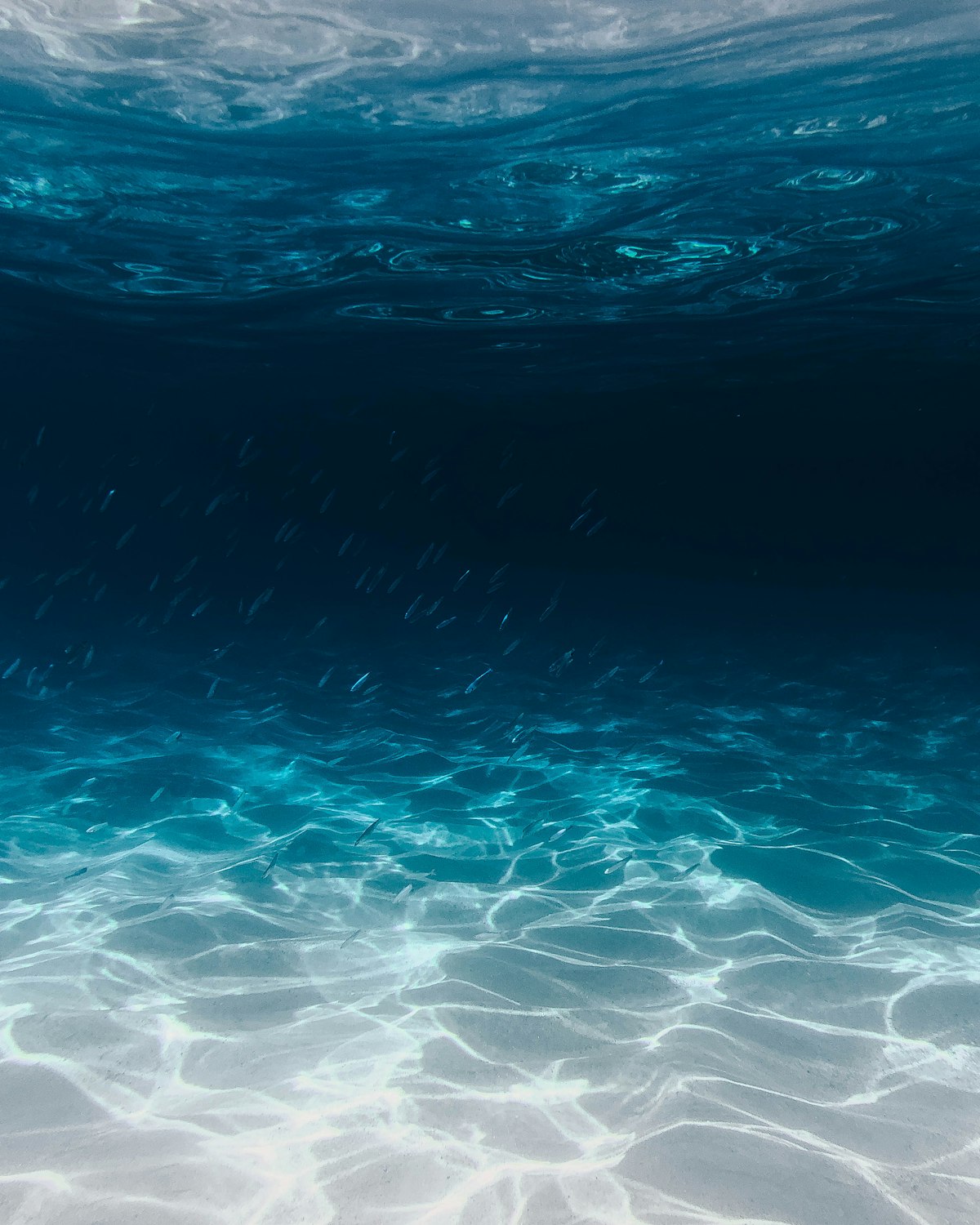
In the year 800 CE, a magnificent Egyptian city called Heracleion — known to the ancient Greeks as Thonis — vanished beneath the Mediterranean. For over a millennium, it existed only in scattered references in ancient texts and on worn papyrus scrolls. Many historians assumed it was myth.
Then, in the year 2000, French marine archaeologist Franck Goddio changed everything.
Goddio's team was scanning the seafloor of Aboukir Bay, four miles off the coast of Alexandria, when their equipment registered something extraordinary. Beneath 45 feet of water and a thick layer of silt lay an entire city — statues, temples, gold coins, sphinxes, and the remnants of over 64 ancient ships.
The city's famous temple of Amun, once described by Herodotus himself, emerged from the deep. Colossal statues of pharaohs, some weighing 5 tons, still stood in their original positions as if waiting to be found.
Over 700 anchors and the ruins of merchant vessels suggest Heracleion was one of the ancient world's greatest trading ports.
The working theory is sobering: the city was built on unstable delta sediment saturated with water. Over centuries, the weight of the buildings and a series of catastrophic earthquakes liquefied the ground beneath it — a geological process called soil liquefaction. The entire city slid into the sea within hours.
The treasures recovered from Heracleion — now being painstakingly preserved — reveal a cosmopolitan hub where Greek and Egyptian cultures blended centuries before Alexander the Great arrived. Trade goods from across the Mediterranean. Temples where Greek sailors worshipped Egyptian gods.
It tells us that civilizations have always been more interconnected than we imagine — and that the sea keeps its secrets with extraordinary patience.
A free PDF guide — the skills, salaries, and strategies to level up your tech career in 2026.
Drop your email and we'll send it straight to your inbox.
Want daily updates on blogs & world news?
Join Our Telegram Group
Read Story