Culture
Explore insightful stories, reflections, and entries about culture.
One Piece Live-Action Season 2: Why Netflix's Biggest Bet Is About to Get Even Wilder
Entry Editorial
May 30, 2026
One Piece Live-Action Season 2: Why Netflix's Biggest Bet Is About to Get Even Wilder
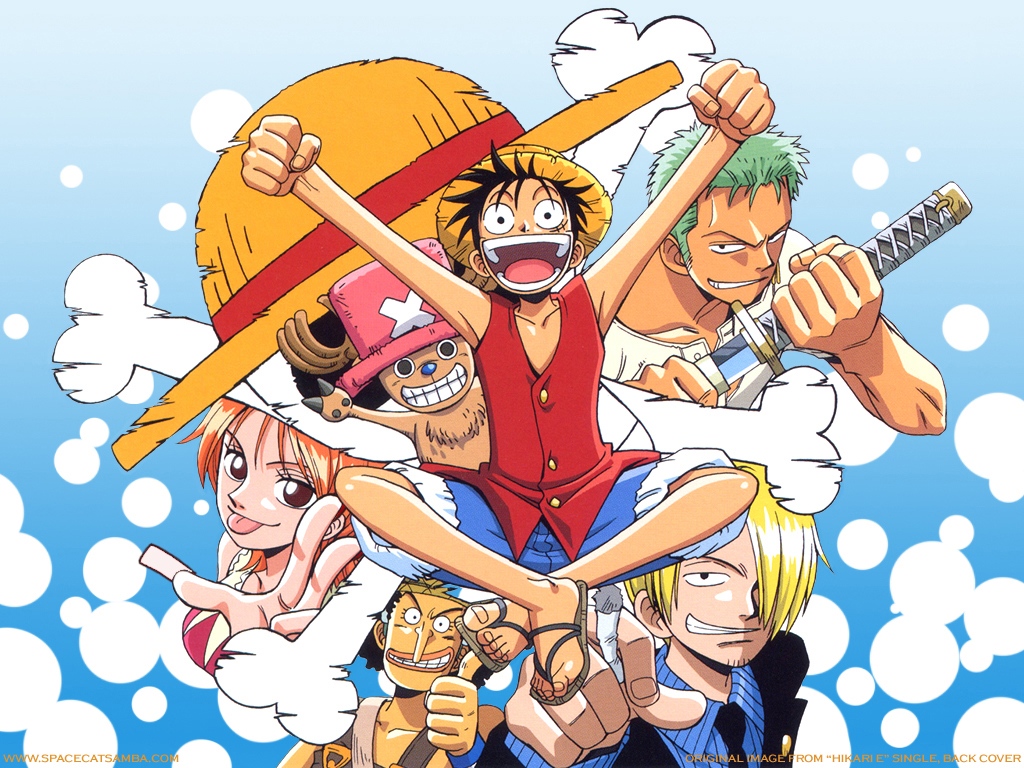
From Skepticism to Phenomenon When Netflix announced a live-action adaptation of One Piece — Eiichiro Oda's sprawling, 1,100+ chapter manga epic beloved by hundreds of millions worldwide — the reaction was near-universal dread. And who could blame the fans? Live-action anime adaptations had a catastrophic track record. Dragonball Evolution was an insult. Death Note (2017) was a disaster. Cowboy Bebop lasted one season before cancellation. The pattern was clear: Hollywood didn't understand anime, couldn't translate its tone, and shouldn't keep trying. Then Season 1 of One Piece dropped in August 2023 — and broke every expectation. 92% on Rotten Tomatoes. The most-watched Netflix debut of the year in multiple countries. A show that captured the whimsy, heart, and adventure of Oda's world while translating it into something that worked for audiences who'd never read a single chapter of manga. Iñaki Godoy's Luffy was joyful, charismatic, and utterly believable as a rubber-bodied pirate with the emotional range of a golden retriever and the determination of a freight train. The East Blue Saga — Baratie, Arlong Park, the crew's assembly — was handled with genuine respect for the source material. Now Season 2 is coming. And the source material it's adapting is where One Piece transforms from a great adventure story into a masterpiece. The Alabasta Saga: Where One Piece Gets Serious Season 2 is expected to cover the Alabasta Saga — a massive story arc that includes Whiskey Peak, Little Garden, Drum Island, and culminates in the Alabasta arc itself. This is the stretch of One Piece that converts casual readers into lifelong fans, and it's where the story's emotional and thematic ambitions explode. Here's what audiences are in for: Tony Tony Chopper. The crew's doctor — a reindeer who ate a Devil Fruit and gained human intelligence — is one of the most beloved characters in all of anime and manga. His backstory with Dr. Hiriluk is considered among the greatest origin stories Oda has ever written. If Netflix nails Chopper's introduction — the blend of comedy, tragedy, and warmth — Season 2 could produce some of the most emotionally devastating scenes in streaming TV. The challenge: Chopper is a talking reindeer. He'll almost certainly be CGI. If the execution looks cheap or uncanny, it undermines everything. Early reports suggest Netflix has invested heavily in making Chopper feel tactile and real — but this is the highest-stakes visual effects challenge of the season. Nico Robin and Crocodile. The Alabasta arc introduces two of the series' most important characters. Crocodile — a Warlord of the Sea who controls sand itself — is the first truly terrifying villain of the series. Unlike the East Blue villains, Crocodile is intelligent, patient, politically powerful, and effectively invincible in direct combat. Robin, initially presented as Crocodile's enigmatic partner, becomes one of the most complex and heartbreaking characters in the entire series. Her story won't fully pay off until later arcs, but the groundwork laid in Alabasta is essential. Princess Vivi and the weight of leadership. Vivi's arc — a princess who infiltrated a criminal organization to save her country, now forced to watch her nation tear itself apart — is a story about the cost of leadership, the limits of individual heroism, and the terrible reality that sometimes saving everyone isn't possible. It's One Piece at its most politically and emotionally mature. > "Alabasta is where One Piece stops being about pirates finding treasure and starts being about people fighting for what they believe in — even when fighting isn't enough." — Tekking101, One Piece analysis The Production Challenge Season 1 reportedly cost over $18 million per episode — making it one of the most expensive TV productions ever. Season 2 is expected to match or exceed that budget, and it needs to. The Alabasta Saga demands: - Desert warfare on a massive scale — thousands of soldiers, a collapsing palace, a sandstorm that threatens to destroy an entire city - Complex Devil Fruit powers — Crocodile's sand abilities, Chopper's transformations, Mr. 2 Bon Clay's face-swapping, and more - Diverse, expansive sets — from the frozen peaks of Drum Island to the ancient desert kingdom of Alabasta, Season 2 spans radically different environments - Emotional range — slapstick comedy, political intrigue, devastating backstories, and a climactic battle that must feel earned The Russos' AGBO production company is involved, and showrunners Matt Owens and Steven Maeda have consistently demonstrated deep respect for the source material. Eiichiro Oda himself remains an executive producer with meaningful creative control. Why One Piece Matters Now One Piece has been running since 1997. The manga has over 500 million copies in circulation — the best-selling manga of all time, surpassing even Dragon Ball. But for decades, it was niche in the West — too long, too weird, too Japanese for mainstream penetration. The Netflix series changed that overnight. Suddenly, people who'd never heard of the Grand Line were binging the show, diving into the manga, and discovering one of the richest fictional universes ever created. Season 2 has the opportunity to do what no anime adaptation has ever done: take a Japanese story and make it a global, mainstream, multi-season phenomenon — not by Westernizing it, but by trusting the material. If they pull it off, this isn't just good TV. It's a paradigm shift in how the world consumes Japanese storytelling. What to Do Before Season 2 - Watch Season 1 (8 episodes on Netflix) — essential - Read chapters 101-217 of the manga — for the full, unabridged Alabasta experience - Watch the anime (episodes 62-130) — if you want the animated version - Prepare tissues for Chopper's backstory — you've been warned The Straw Hats are heading to the Grand Line. Nothing will ever be the same.
Avengers: Doomsday — Everything We Know About Marvel's Biggest Gamble Yet
Entry Editorial
May 30, 2026
Avengers: Doomsday — Everything We Know About Marvel's Biggest Gamble Yet
The MCU's Most Ambitious Chapter Begins After the emotional crescendo of Avengers: Endgame and the mixed reception of the Multiverse Saga's sprawling middle acts, Marvel Studios is placing its biggest bet yet on Avengers: Doomsday. Directed by the Russo Brothers — who helmed Infinity War and Endgame — this film doesn't just need to succeed. It needs to prove that the MCU still matters. And with Robert Downey Jr. returning — not as Tony Stark, but as Victor Von Doom — the stakes are unlike anything we've seen before. Robert Downey Jr. as Doctor Doom: Genius or Madness? When Kevin Feige announced at San Diego Comic-Con that Downey would play Doom, the internet fractured. Half of fans called it the most audacious casting choice in superhero history. The other half called it a gimmick that cheapened Tony Stark's sacrifice in Endgame. Here's why it could work brilliantly: the Multiverse isn't a plot device anymore — it's the setting. In a reality where infinite versions of every person exist, having Tony Stark's face on Marvel's greatest villain isn't fan service. It's narrative weaponry. Imagine the Avengers — grieving, rebuilt, uncertain — coming face to face with a man who looks exactly like the hero who died to save them, but who views humanity with nothing but contempt. Every scene with Doom would carry the ghost of Stark. Every interaction would be laced with grief and cognitive dissonance. > "The best villains don't just threaten the heroes physically. They threaten the ideas the heroes represent. Doom wearing Stark's face threatens the idea that sacrifice means anything at all." — Film analysis by ScreenCrush What We Know About the Plot Marvel has kept the plot tightly under wraps, but several credible details have emerged: The Multiverse is collapsing. The events of Loki Season 2, Doctor Strange in the Multiverse of Madness, and Deadpool & Wolverine have established that the Multiverse is increasingly unstable. Doomsday is expected to deal with the existential threat of incursions — parallel universes colliding and annihilating each other. Doom has a plan to save reality — on his terms. Unlike Thanos, who was driven by twisted ideology, Doom is driven by absolute certainty that he alone is intelligent enough to save existence. He's not insane. He's not nihilistic. He genuinely believes he's the only one capable of making the impossible choices — and the terrifying thing is, he might be right. The Avengers are fractured. The current roster lacks the cohesion of the original six. Shang-Chi, Ms. Marvel, Kate Bishop, Sam Wilson's Captain America, She-Hulk, and others must come together without the institutional memory of Stark, Rogers, or Romanoff. They're powerful individually — but they've never been a team. The Russo Brothers' Return Joe and Anthony Russo directed four of the MCU's most successful films, including the two highest-grossing entries (Infinity War and Endgame). Their return signals that Marvel is treating Doomsday with the same level of seriousness and ambition as the Infinity Saga's conclusion. The Russos are masters of ensemble storytelling — balancing 20+ characters without losing emotional throughlines. If anyone can wrangle the current sprawling MCU into a coherent narrative, it's them. But the challenge is different this time. In 2018, audiences knew these characters intimately. In 2026, many viewers haven't seen every Disney+ show or Phase 5 film. Doomsday needs to work for the devoted fan who's watched everything and for the casual viewer who tapped out after Endgame. Why This Film Matters Beyond Marvel The superhero genre is at an inflection point. DC has rebooted under James Gunn. Audience fatigue is measurable — box office returns for mid-tier superhero films have declined steadily since 2021. The cultural dominance that Marvel enjoyed from 2012–2019 is no longer guaranteed. Avengers: Doomsday isn't just a movie. It's a referendum on whether the superhero blockbuster can still be the defining cultural product of its era — or whether that era is over. If the Russos and Downey deliver, the MCU gets a second golden age. If they don't, the genre's decline accelerates. Either way, May 2026 is going to be the most watched month in cinema history. What to Watch Before Doomsday If you want to be fully prepared, here's the essential viewing list: - Avengers: Endgame — The emotional foundation - Loki (Seasons 1 & 2) — The Multiverse mechanics - Doctor Strange in the Multiverse of Madness — Incursions introduced - Deadpool & Wolverine — The TVA and Multiverse consequences - Captain America: Brave New World — Sam Wilson's leadership arc - Fantastic Four: First Steps — Doom's origin context The countdown is on. And whatever your opinion on the MCU's recent output — Doom is coming. And he's wearing a familiar face.